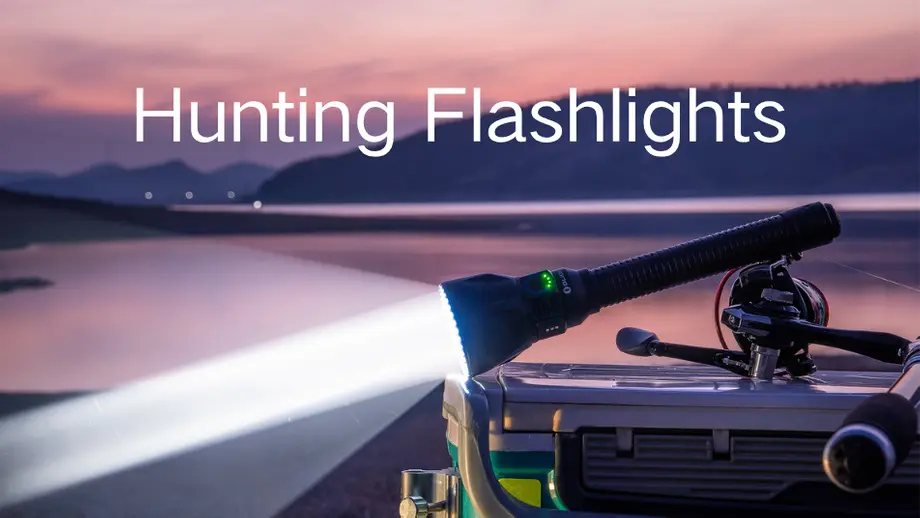
Weatherproof Your Hunt: How to Choose a Hunting Flashlight
A successful hunt hinges on skill, patience, and meticulous preparation. For Canadian hunters, this means anticipating everything nature can unleash—from sudden downpours and early snowfalls to the biting cold of a late-autumn evening. In these critical moments, your gear cannot afford to fail, especially your flashlight. A reliable light is more than a convenience; it's an essential piece of safety equipment. With countless options on the market, understanding how to choose a hunting flashlight capable of withstanding any weather is paramount. This guide will illuminate the crucial features to look for, ensuring your light performs flawlessly when you need it most.
Durability and Weather Resistance: Your First Line of Defence
The Canadian wilderness is unforgiving, demanding that your flashlight be tough enough to endure its challenges. When assessing a light's durability, two key factors are non-negotiable: its IP rating and its construction material. A truly waterproof hunting flashlight is a must-have.
IP (Ingress Protection) Rating: This standard indicates how well a device is sealed against dust and water, represented by two numbers (e.g., IP68). For weatherproofing, the second number is what matters.
- IPX6: Offers protection against powerful jets of water. This is the minimum standard you should accept for rainy conditions.
- IPX7: Guarantees the flashlight can be submerged in up to 1 metre of water for 30 minutes.
- IPX8: Represents the gold standard for hunting. It signifies that the light can be continuously submerged, typically deeper than 1 metre. An IPX8-rated flashlight will survive a fall into a creek, a torrential downpour, or heavy, wet snow without faltering.
Beam Distance and Type: Seeing What Matters
The right beam profile is just as vital as brightness. A flashlight’s beam is defined by its "throw" (distance) and "spill" (width). For most hunting applications, you need a balance of both, but a long range hunting flashlight with significant throw is key for spotting game from afar.
- Spotlight (High Throw): A tightly focused beam that travels a great distance. This is essential for scouting open fields, scanning treelines, and identifying targets hundreds of metres away. When you need to see what’s across the valley, a dedicated spotlight is your best ally. Models like the Olight Javelot Pro 2 are prime examples, designed to illuminate targets at extreme distances.
- Floodlight (High Spill): A wide beam that illuminates a large, close-range area. This is ideal for tracking a blood trail, navigating dense brush, or setting up a blind in pre-dawn darkness.
Many modern hunting flashlights offer a balanced beam, featuring a focused centre hotspot for distance and a usable spill for peripheral awareness. This versatility makes them perfect for the majority of hunting scenarios.
Lumens, Light Modes, and Colour Options
Lumens measure total light output, but sheer brightness isn't everything. The real key is having the right amount of light for the task, which is why multiple modes are non-negotiable.
- Low Mode (~15-50 lumens): Perfect for navigating a tent or reading a map without compromising your night vision. This mode also provides exceptionally long battery life.
- Medium Mode (~300-600 lumens): An excellent all-purpose setting for hiking trails or performing general camp tasks.
- High/Turbo Mode (1000+ lumens): This is your power mode for maximum range and positive identification. Models like the Javelot Turbo 2 are engineered for this exact purpose, delivering a powerful beam to cut through darkness and fog.
Coloured LEDs: Many seasoned hunters rely on red or green light for tactical advantages.
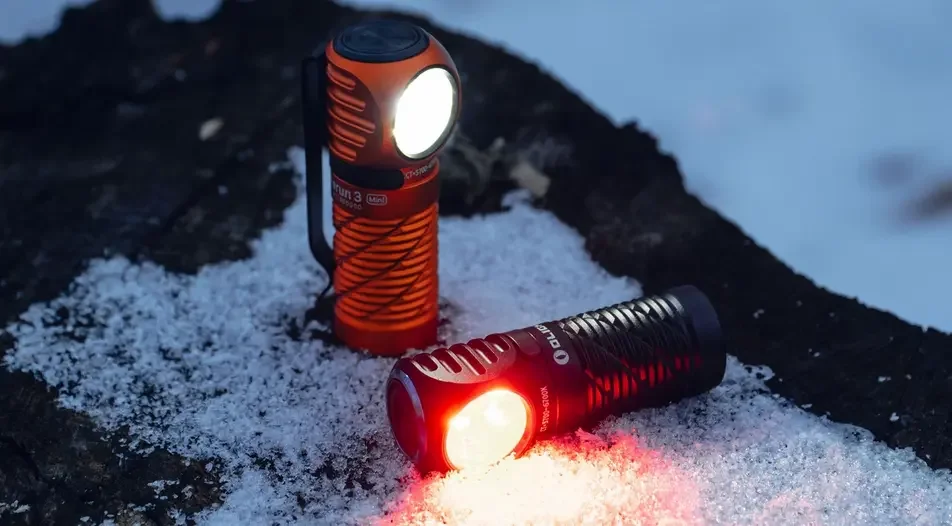
- Red Light: Preserves your natural night vision and is less likely to spook many game animals, making it excellent for moving into position undetected.
- Green Light: Offers better visibility and contrast than red for human eyes, while remaining less disruptive to some animals than white light. It's particularly effective for spotting hogs and predators.
Choosing a flashlight with interchangeable filters or dedicated colour modes provides the tactical flexibility needed to adapt to any environment.
Power Source and Ergonomics: The Practical Details
A flashlight is useless without power. Consider your battery source carefully for field reliability.
- Rechargeable: High-capacity, proprietary rechargeable batteries (like 21700s) paired with magnetic USB charging are the modern standard. They are cost-effective, eco-friendly, and convenient, allowing you to recharge in your truck or with a portable power bank.
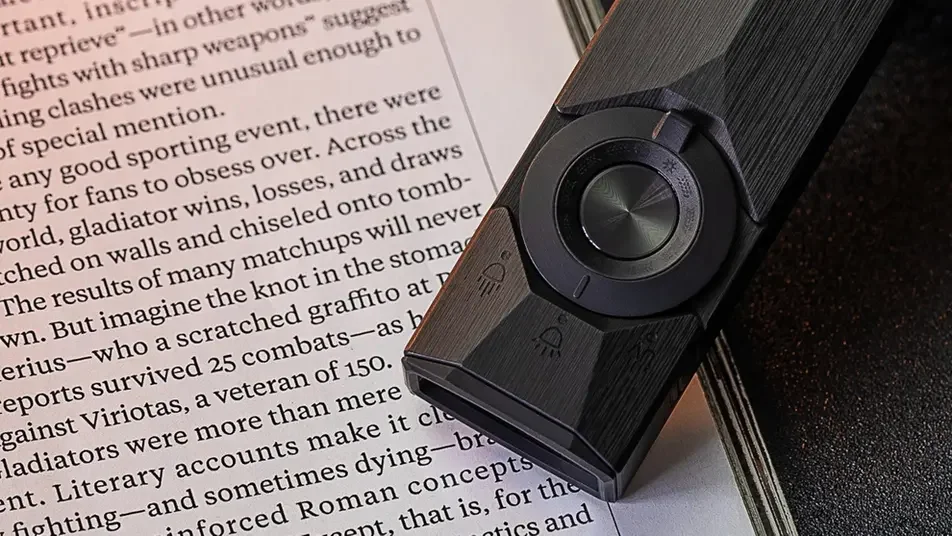
Finally, evaluate how the light feels and operates. A good hunting flashlight should feature a textured, non-slip grip that is easy to handle with or without gloves. The power and mode selection buttons should be intuitive and easy to operate, even in the cold. If you plan to mount the light on a firearm, confirm its compatibility with standard mounting systems and remote pressure switches.
Conclusion: Invest in Reliability
Ultimately, knowing how to choose a hunting flashlight is about prioritizing reliability for the rugged Canadian outdoors. The best hunting flashlight in Canada is one that is weatherproof, durable, and powerful—an investment in your safety and a key to your success. Before your next hunt, check your current light against these essential criteria:
- Weatherproofing: Does it have an IPX7 rating or higher?
- Beam: Does it provide the throw you need for your specific hunting grounds?
- Modes: Does it offer versatile brightness levels and tactical colour options?
- Power: Is the battery system reliable and easy to manage in the field?
Don't let failing gear cut your hunt short. Equip yourself with a light built to conquer the elements. Explore our full range of professional-grade hunting flashlights and find the perfect companion for your next adventure.