- 1. Introduction: Oclip Pro vs Oclip Pro S Overview
- 2. Oclip Pro vs Oclip Pro S: Quick Comparison
- 3. User Experience and Real-World Performance
- 4. Frequently Asked Questions (FAQs)
Introduction: Oclip Pro vs Oclip Pro S Overview
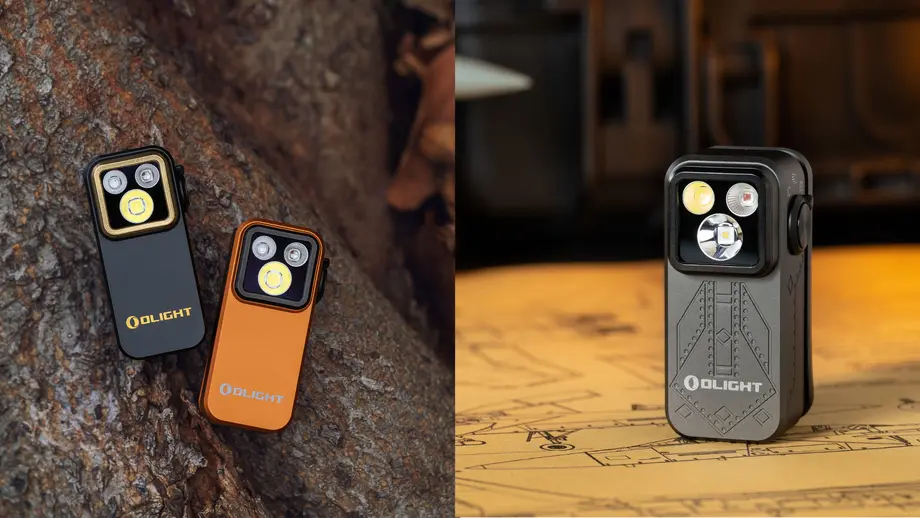
The Olight Oclip series has redefined the standard for wearable EDC (Everyday Carry) lighting. By integrating a heavy-duty spring clip with high-performance LED technology, these tools serve as versatile companions for hikers, technicians, and urban commuters alike. As we move into 2026, the lineup has expanded with two flagship models: the Oclip Pro and the Oclip Pro S.
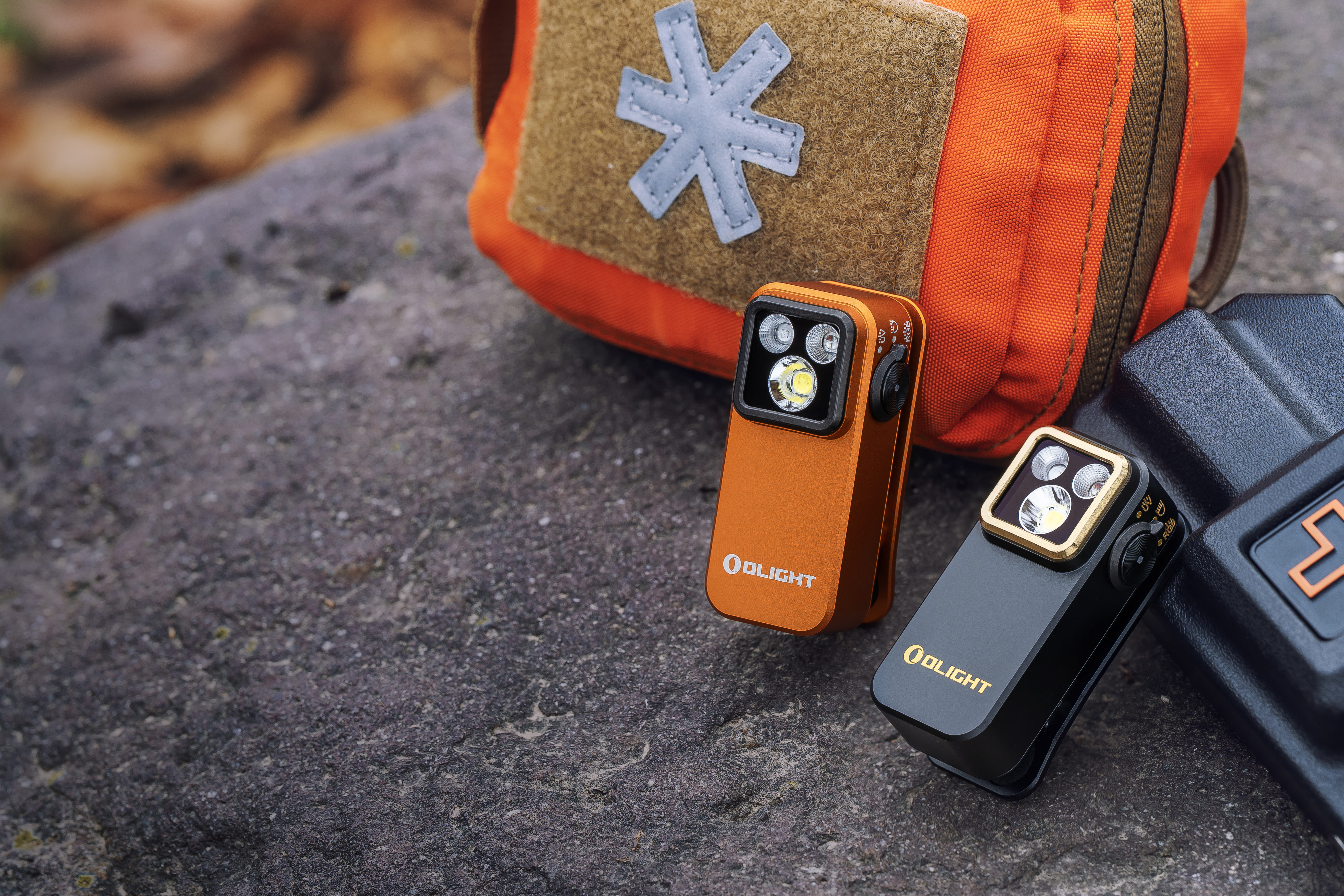
The Oclip Pro focuses on specialized beam management, offering distinct optics for both long-distance spotting and wide-area lighting. In contrast, the Oclip Pro S acts as a multi-functional signal and inspection tool, integrating RGB (Red, Green, Blue) and UV LEDs into a single compact chassis.
Both models utilize a robust aluminum alloy body and convenient USB-C charging, maintaining the signature magnetic base that allows for hands-free operation on metallic surfaces. This review analyzes the technical specifications and practical applications of each to determine which model best suits your specific operational needs.
Oclip Pro vs Oclip Pro S: Quick Comparison
Key Specifications Comparison (Lumens, Battery, Modes, Weight)
The following table outlines the primary technical differences between the two models based on official performance data, highlighting their unique strengths.
| Feature | Oclip Pro | Oclip Pro S |
|---|---|---|
| Max Output (White) | 500 Lumens | 600 Lumens |
| Max Beam Distance | 120 Meters (Spotlight) | 80 Meters |
| Light Sources | White (Flood/Spot), Red | White, Red, Green, Blue, UV |
| Intensity | 3,600 Candela | 1,600 Candela |
| Weight | 53g (Including Battery) | 53g (Including Battery) |
| Waterproof Rating | IPX6 | IPX6 |
| Max Runtime | 144 Hours (Moonlight) | 144 Hours (Moonlight) |
Main Differences Between Oclip Pro and Oclip Pro S
The fundamental distinction lies in the optical configuration and light output diversity. Choosing between them depends on whether you prioritize beam throw or functional versatility.
Oclip Pro Optic Logic: The Oclip Pro utilizes a dual-primary LED setup. One optic is a dedicated spotlight, producing a concentrated beam with 3,600 candela intensity reaching up to 120 meters. The second optic provides a wide floodlight for close-up tasks. This makes it a superior choice for navigation and outdoor activities where long-range visibility is essential.
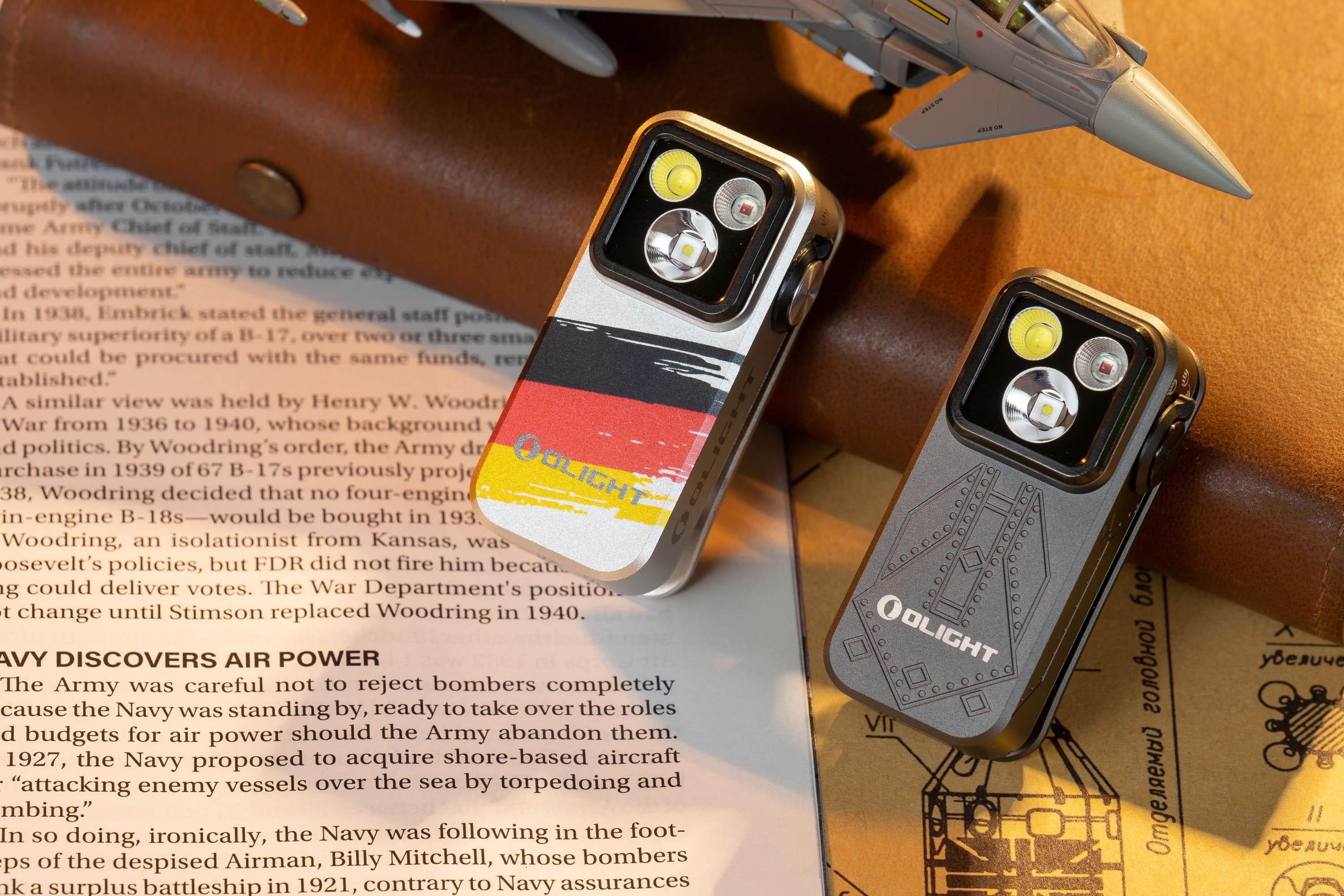
Oclip Pro S Multi-Functionality: The Oclip Pro S prioritizes versatility over throw distance. While it offers a higher peak white light output of 600 lumens, the beam is flood-oriented. Its true value lies in its 5-in-1 functionality, which includes:
- Red Light: Preserves night vision and serves as an effective safety signal.
- Green Light: Useful for map reading and observing wildlife without startling animals.
- Blue Light: Aids in blood tracking and fluid detection for specialized tasks.
- UV Light (365nm): Essential for document verification, leak detection, and hygiene inspections.
Which One Should You Choose in 2026?
Selection depends entirely on your primary use case. Choose the Oclip Pro if your requirement is a traditional flashlight replacement. The ability to switch between a 120-meter spotlight and a floodlight provides the best balance for outdoor adventures and search tasks.
Choose the Oclip Pro S if you are a professional or enthusiast who requires specialized wavelengths. It is the ideal tool for inspectors, mechanics, and safety-conscious users who need signaling capabilities or diagnostic UV light.
User Experience and Real-World Performance
Ease of Use: Interface, Controls, and Mode Switching
Both models utilize a side-mounted electronic switch designed for intuitive one-handed operation. A single click toggles power, while holding the switch cycles through brightness levels. The Oclip Pro allows for seamless beam switching, while the Oclip Pro S provides rapid cycling between its five distinct light sources.
Everyday Carry (EDC): Portability and Convenience
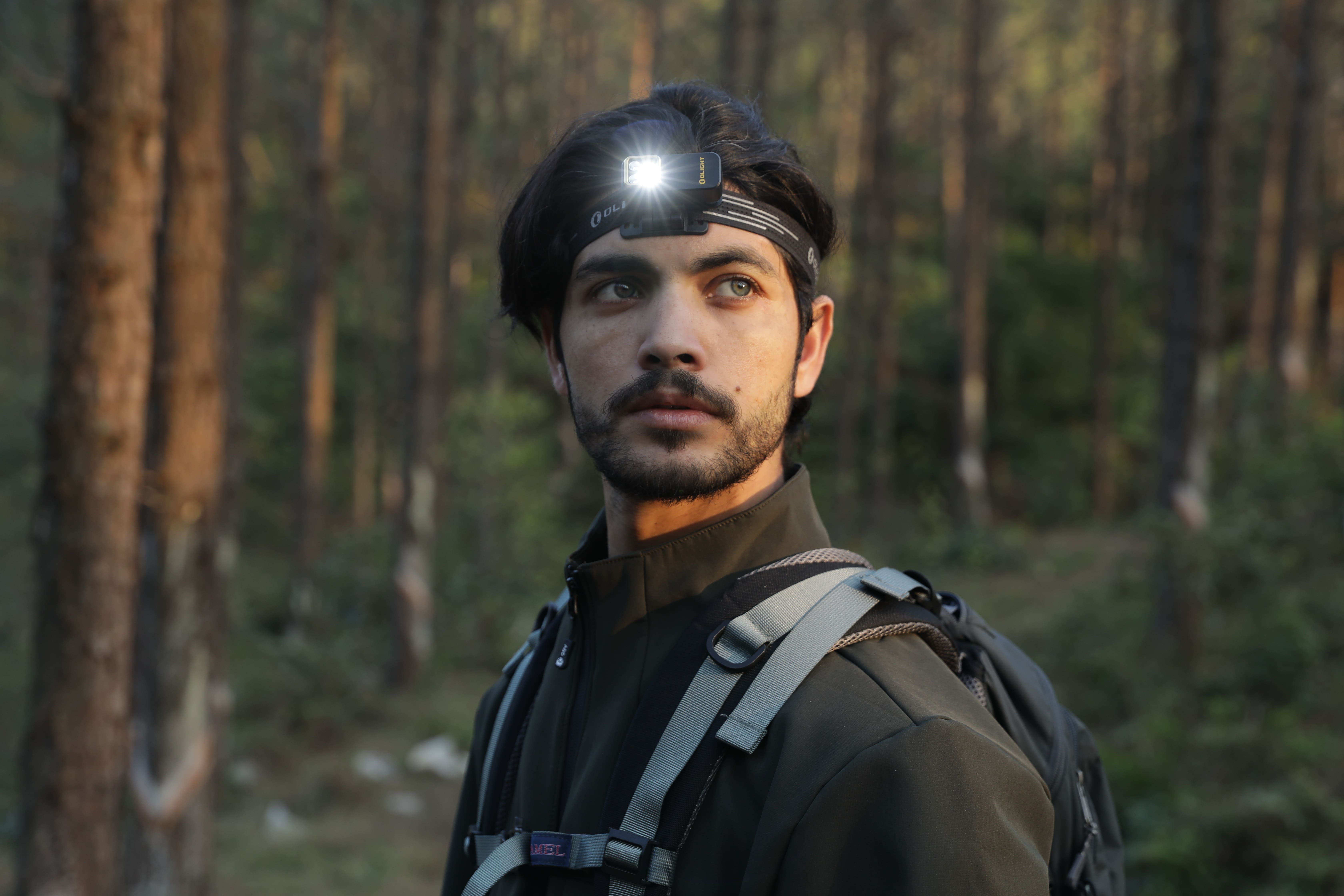
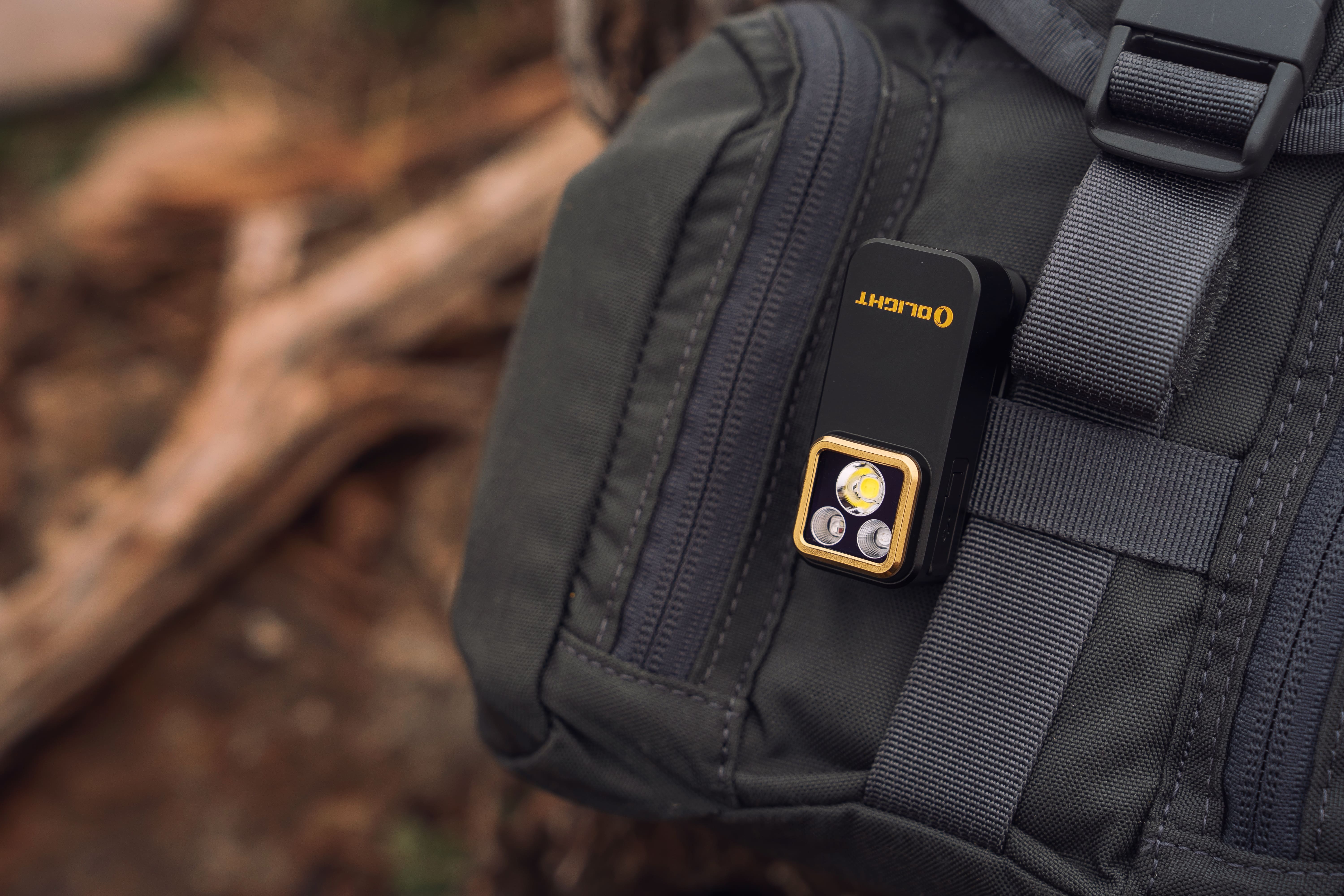
At just 53 grams, these units are lightweight enough to be clipped onto a cap, strap, or pocket without discomfort. The high-tension clip ensures security during rigorous movement, and universal USB-C charging eliminates the need for proprietary cables. The magnetic base further transforms these clips into stationary work lights for hands-free tasks.
Best Use Cases: Outdoor, Work, and Emergency Situations
- Outdoor Adventures: The Oclip Pro is vital for spotting trail markers at a distance, while the Pro S serves as an excellent secondary camp or tactical light.
- Work Environments: The Pro S UV function is indispensable for HVAC and security inspections, while the Pro provides maximum visibility in dark maintenance spaces.
- Emergency Situations: The Red Strobe and RGB colors on the Pro S make it a superior safety beacon for roadside visibility and signaling.
Frequently Asked Questions (FAQs)
Is Oclip Pro S Worth Upgrading from Oclip Pro?
It is a lateral move rather than a direct upgrade. If your primary need is distance, stick with the Pro. If you require UV or RGB signaling for specific tasks, the Pro S is a worthy addition to your kit.
Which Model Is Better for Everyday Carry (EDC)?
The Oclip Pro is generally better for the average user due to its balanced flood and spotlight capabilities, which cover most standard daily lighting requirements.
Are Oclip Pro and Pro S Waterproof?
Both models carry an IPX6 rating, protecting them against heavy rain and snow. This makes them highly reliable for year-round outdoor use even in tough climates.
What Are the Key Differences Between Pro and Pro S?
The Pro features a specialized 120m spotlight and 500 lumens optimized for distance. The Pro S offers a higher 600-lumen output with a wider flood and includes specialized Red, Green, Blue, and UV light sources.