Work a barricade, snap between targets, or shoot from an awkward position, and that clean, centered dot seen from the bench can disappear in a hurry. The optic may be fully functional, but your eye is landing just outside its range of visibility. Consistent training and presentations go a long way, but when things go sideways, a good optic should give you room to work.
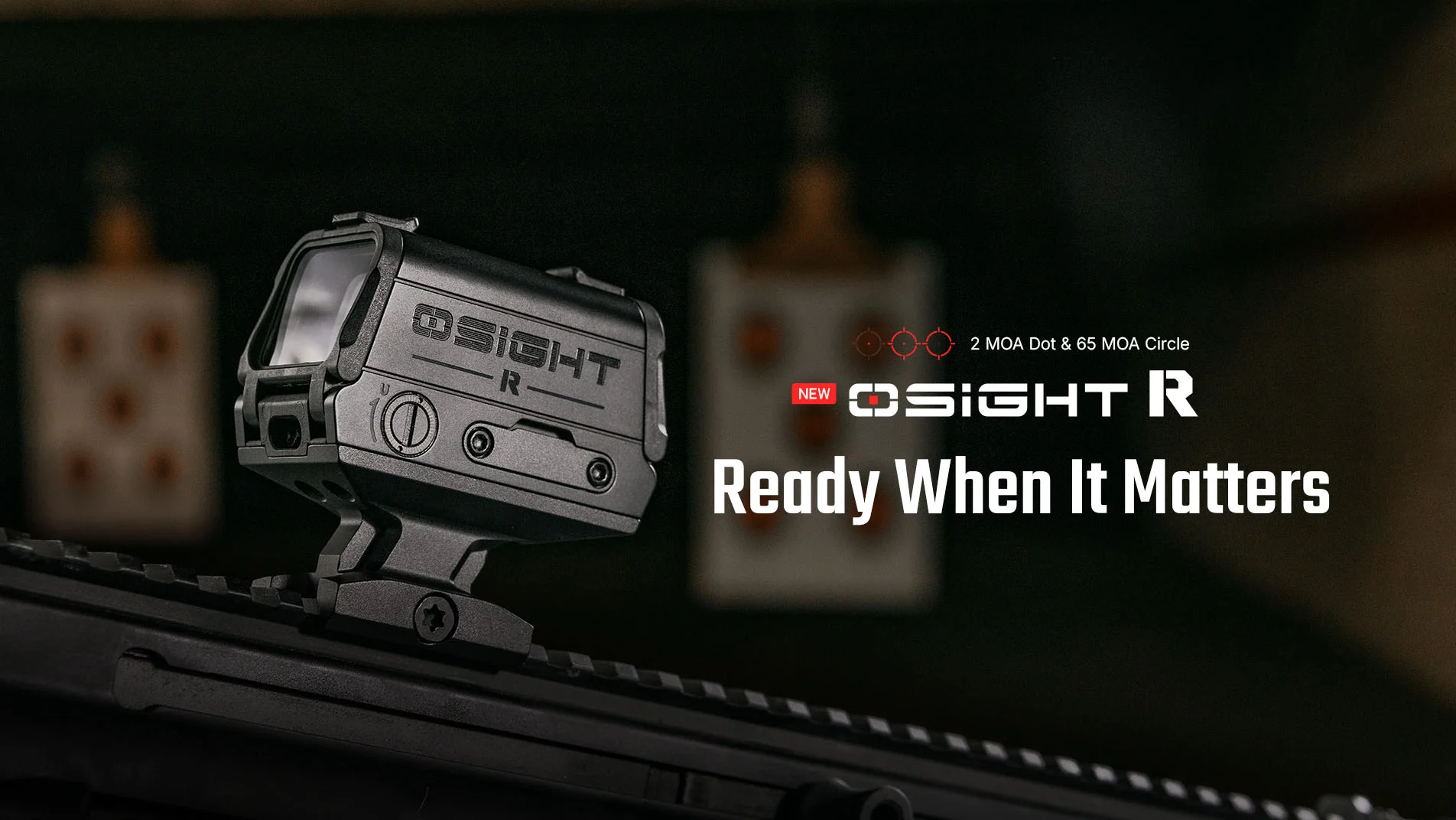
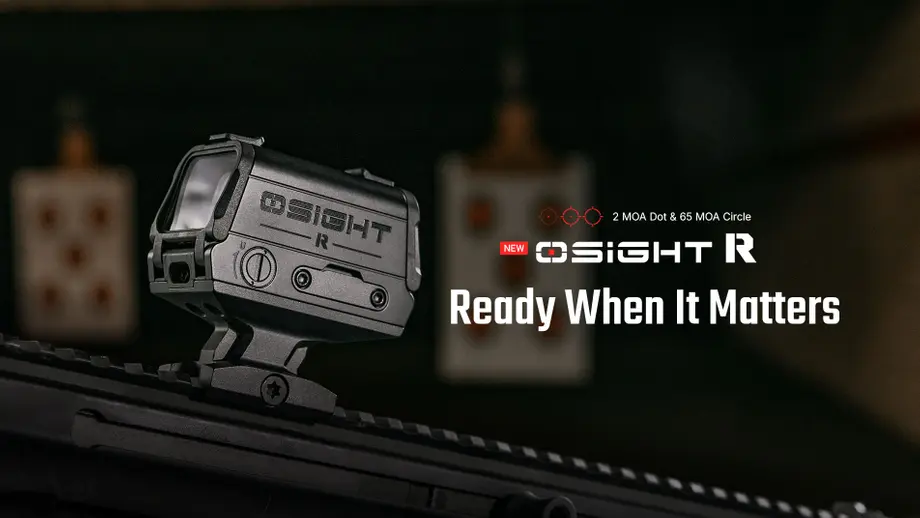
A red dot optic earns its keep by giving the user maximum freedom of movement behind the glass. The Osight R starts there. As Osight’s first red dot built on the Micro T1/T2 footprint, it combines a large viewing window with a 2-MOA dot and 65-MOA circle, an enclosed emitter, and configurable lens protection.
More Glass to Work With
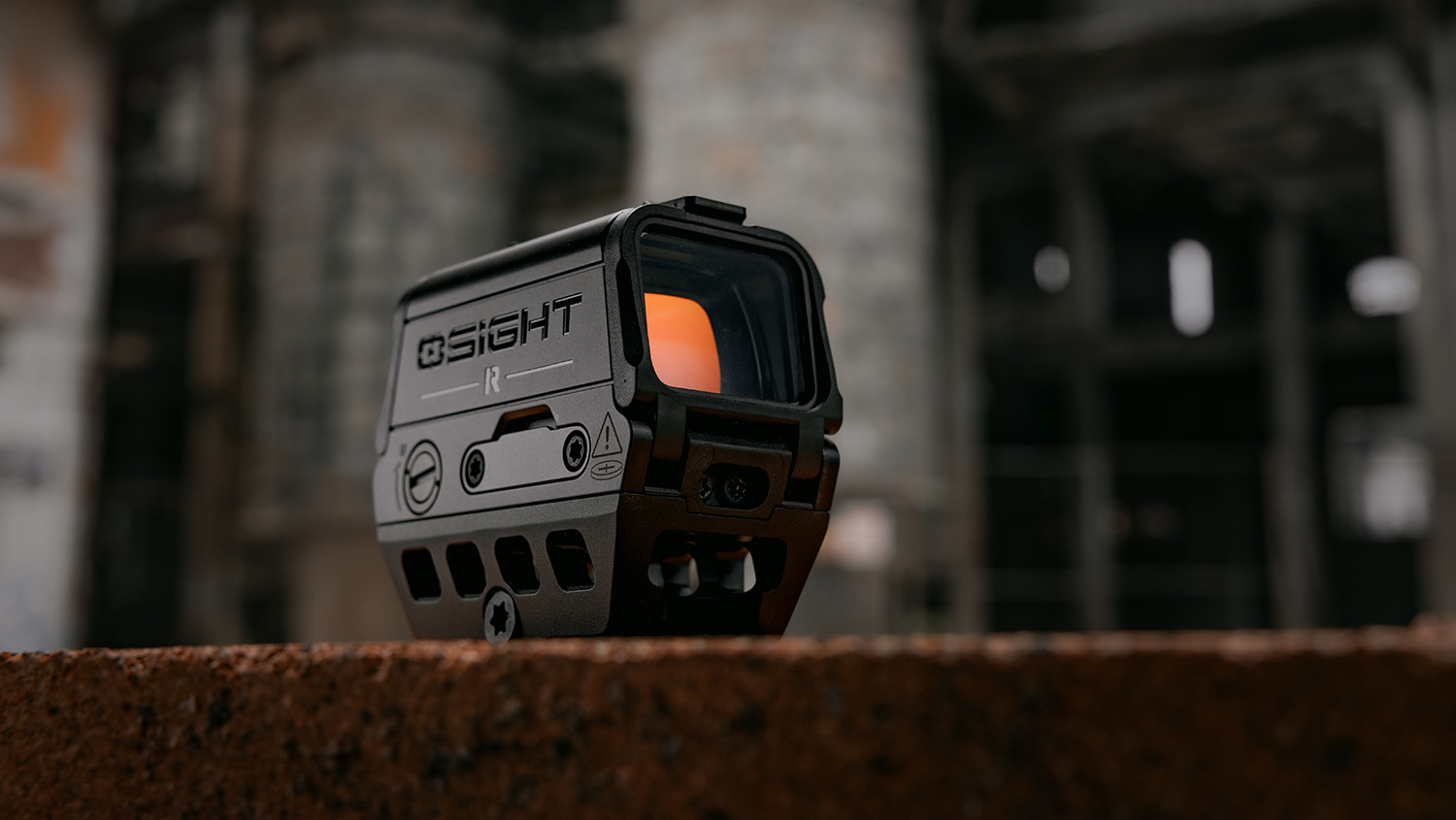
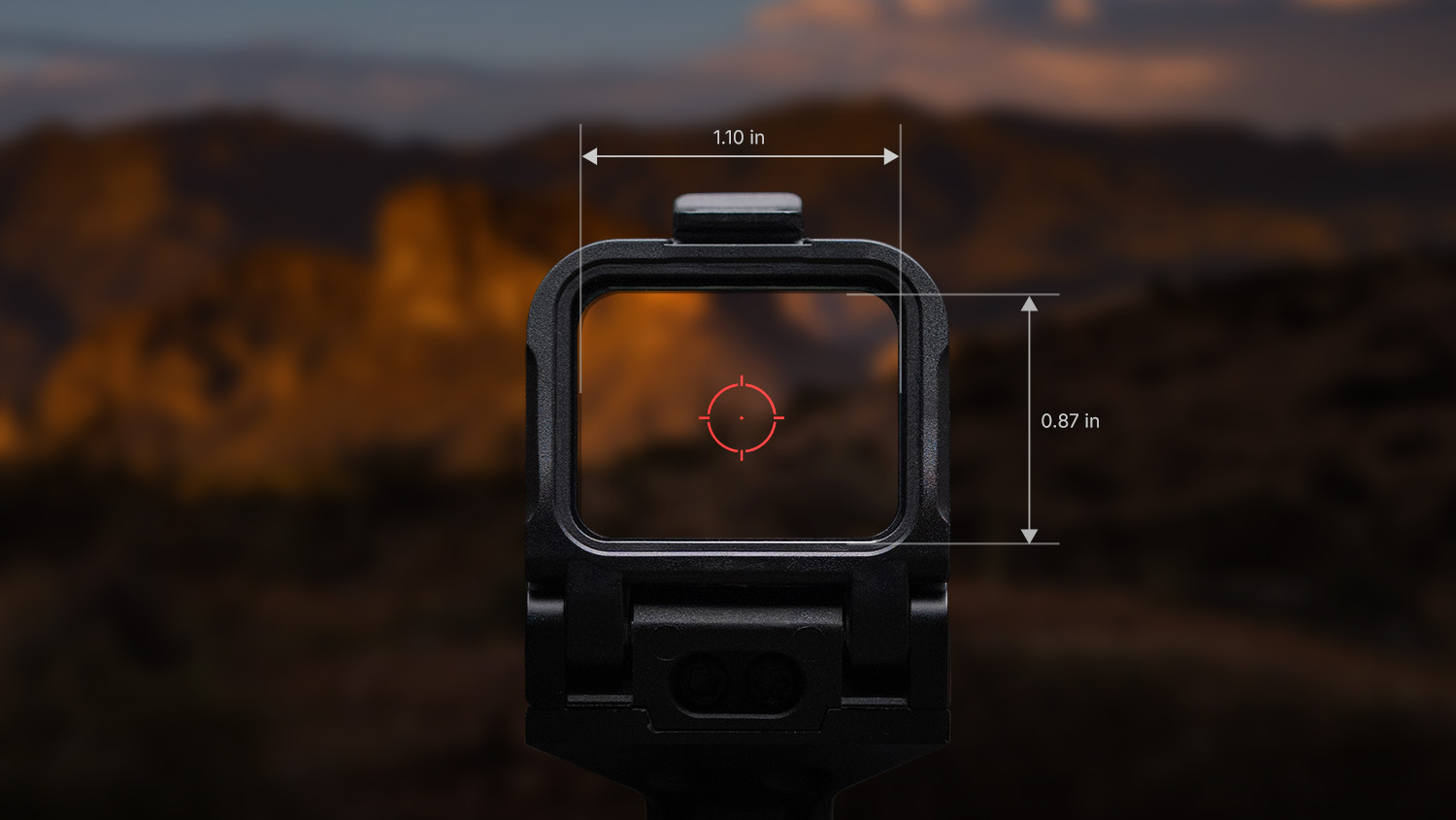
Its window measures 1.10 × 0.87 inches (28 × 22 mm), leaving plenty of daylight around the aiming point. Should your platform come up slightly off-center, that extra space gives the user room to track their target as they bring it to bear. Speedy competition users use that space to their advantage, tracking each target on the move to maximize every last millisecond between transitions. In demanding field applications, a roomy field of view can be invaluable, allowing users to acquire targets from awkward, suboptimal positions when stability is on the line.
A large window only helps if the image remains easy to read. The Osight R uses a multi-coated lens intended to improve light transmission and maintain reticle clarity as ambient light changes.
What Goes in the Window
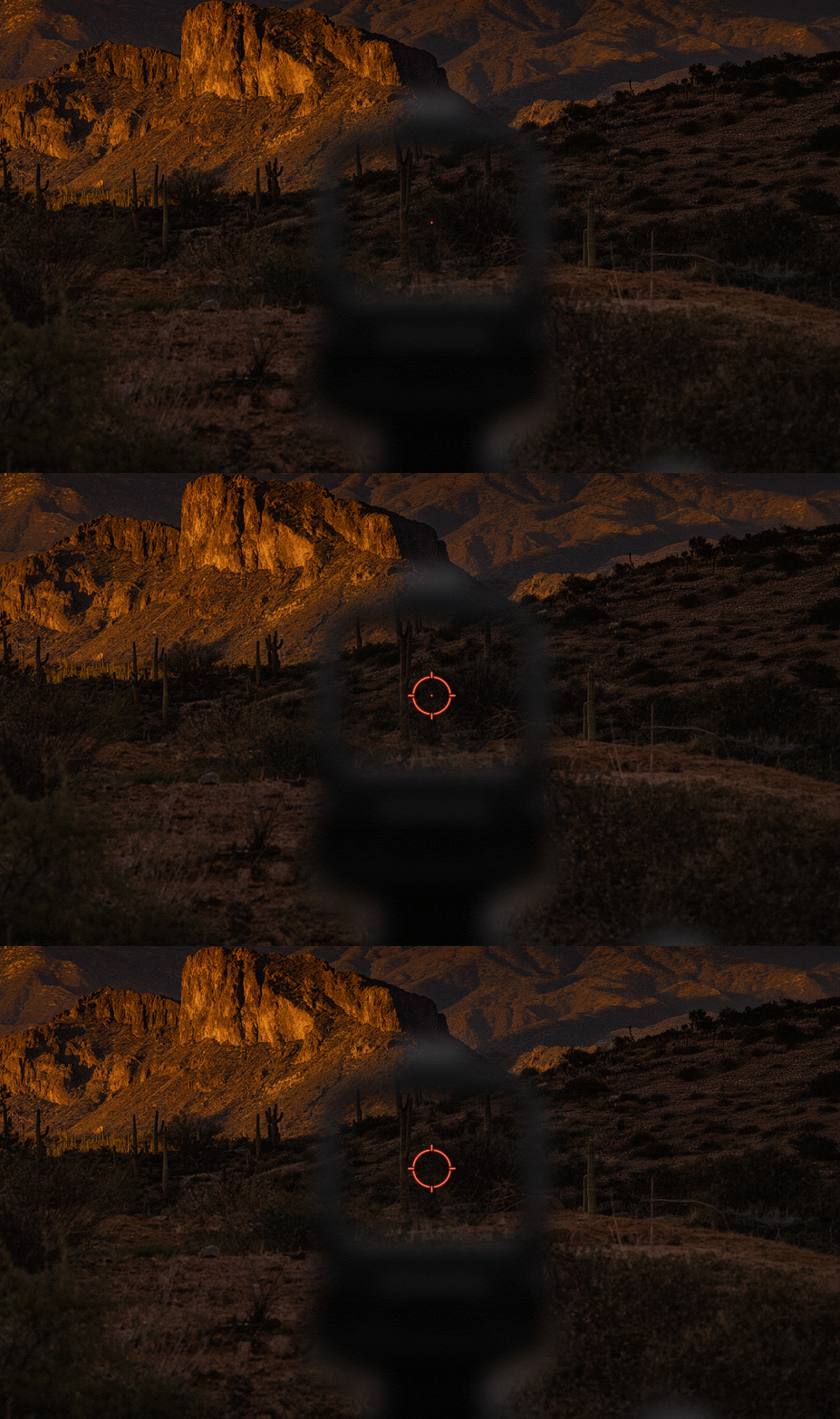
The Multi-Reticle System offers three configurations. A 2-MOA dot provides a finer reference for deliberate placement. The 65-MOA circle presents a bolder cue for close-range pickup. Run both, and the dot remains centered within the circle. There is no universal do-all reticle choice: target distance, pace, lighting, and platform will dictate the right pick for each user.
Novices tend to prefer the full dot-and-circle reticle for aesthetic reasons, while some may “graduate” to the cleaner 2-MOA dot as training makes their presentation more consistent. Across the Osight Pro Team, most users run the R in dot-only mode at high brightness, a logical choice in fast-paced competition, where a repeatable presentation and prominent aiming point support rapid pickup. Your mileage may vary, of course. Train well, practice often, and find out which reticle works best for you!
Protecting the Optical Path
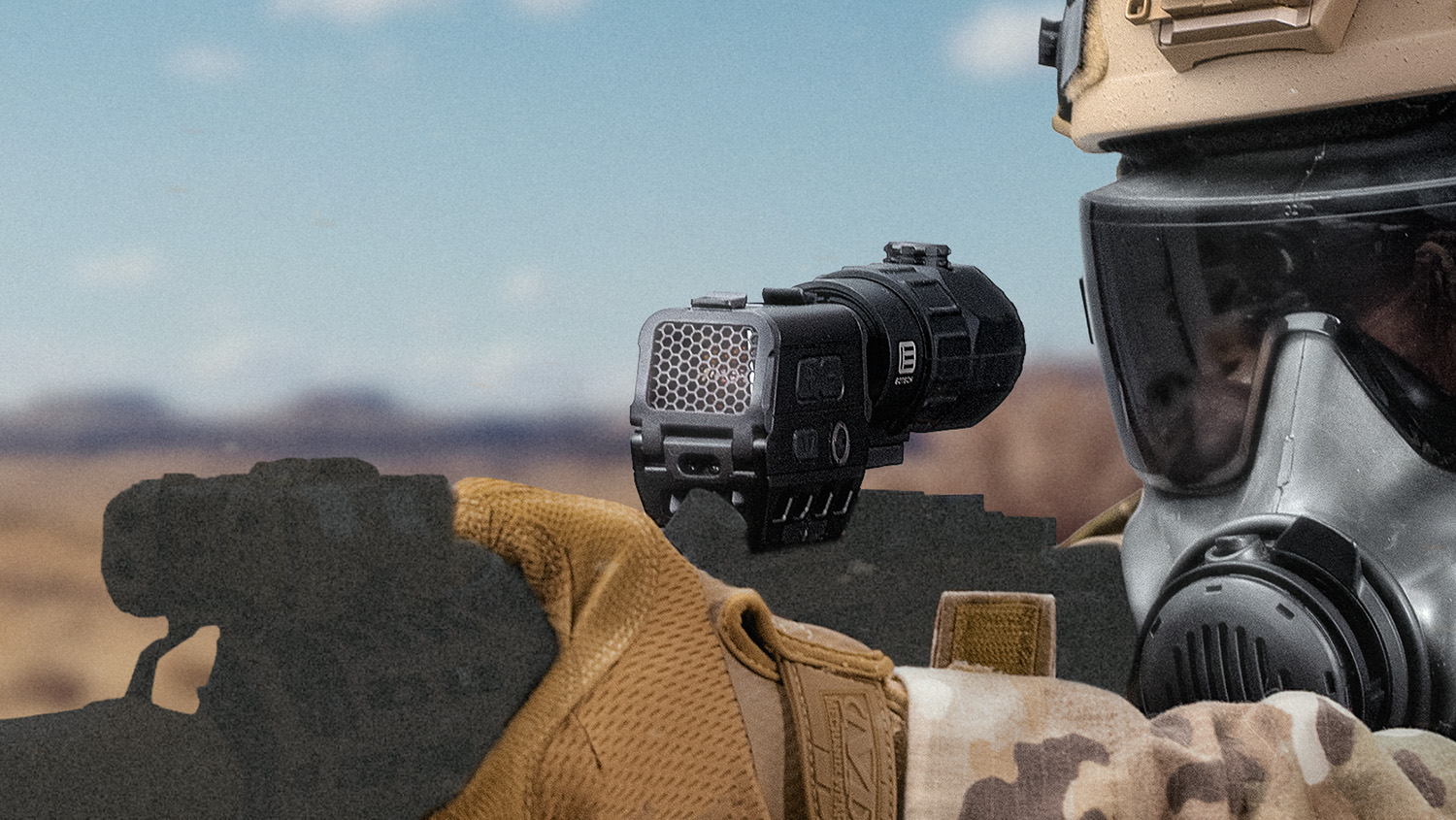
An enclosed housing shields the emitter from direct exposure, but the external lens surfaces still face dust, debris, moisture, and hard handling. Osight adds removable front and rear lens covers made from glass-fiber-reinforced polyamide to help protect those surfaces during transport and field use. On a long hike in rain or snow, a brand-new, perfectly clean lens presentation is a thumb-flick away!
The front cover can be swapped for the included anti-reflective device (ARD). The ARD is designed to reduce glare and reflections from both sides of the optic. For the user, it acts as a miniature sunshade. From the front, it mitigates glint and reflections during outdoor tracking or wildlife observation. As a bonus, its glass-fiber-reinforced polymer (GFRP) construction adds an additional layer of physical protection over the front lens.
Mount Height Matters
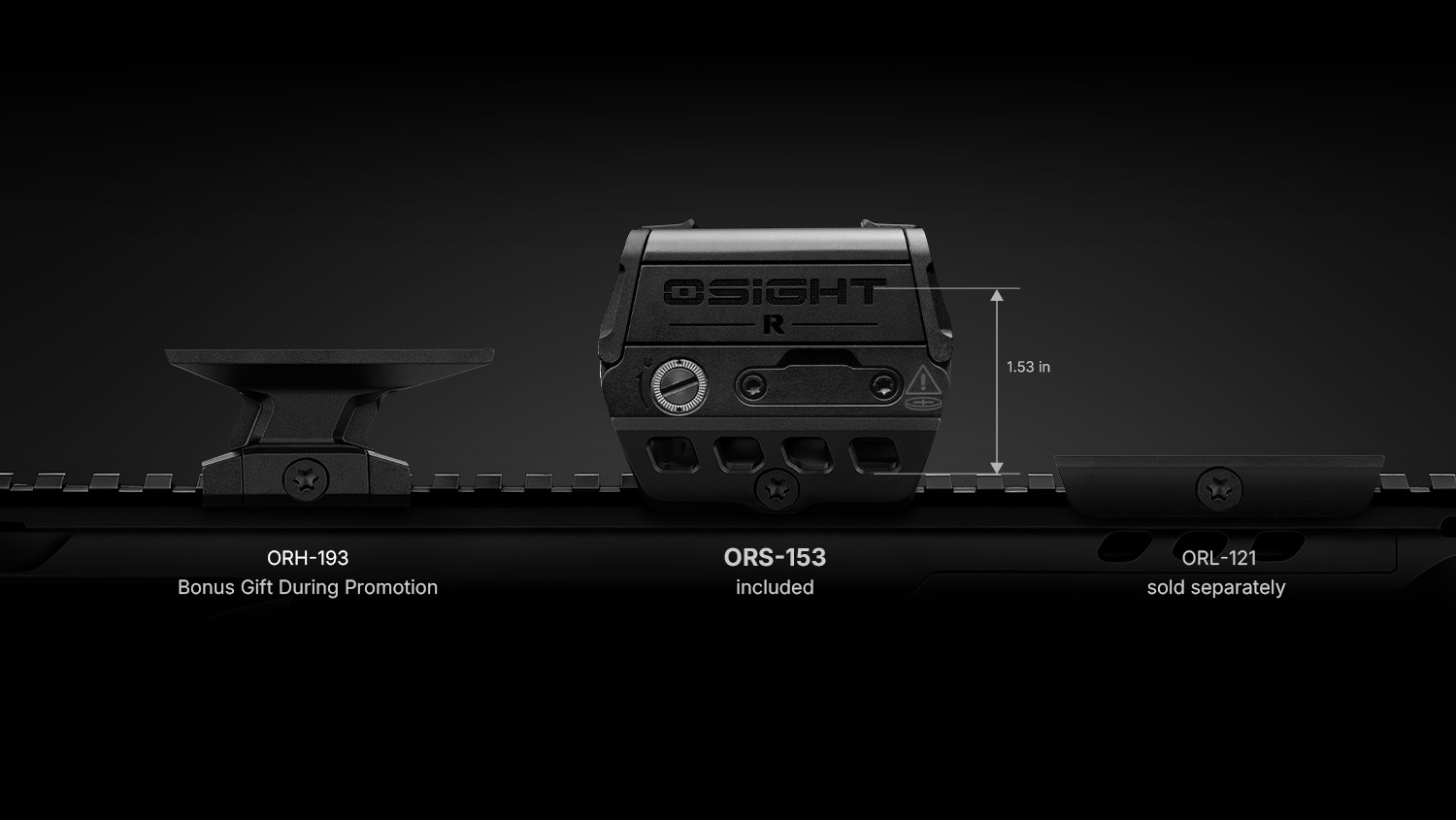
Big windows do not fix bad geometry. If the optic sits too low or too high for the setup and the user behind it, finding the reticle can still take extra movement. The Osight R uses the Micro T1/T2 footprint with a compact four-screw interface, opening the door to a broad range of compatible mounts.
The included ORS-153 places the optical center at 1.535 inches for a lower 1/3 co-witness configuration. Optional Osight mounts can move that centerline lower, to a 1.21-inch sightline, or higher to 1.93 inches. Each height addresses a different setup. Backup sights, rail geometry, stock position, accessories, compatible night-vision equipment, and body posture all affect which one works best.
Final fit still depends on the host platform, chosen mount, and available clearance. Those details should be confirmed before installation.
Controls Without the Long Way Around
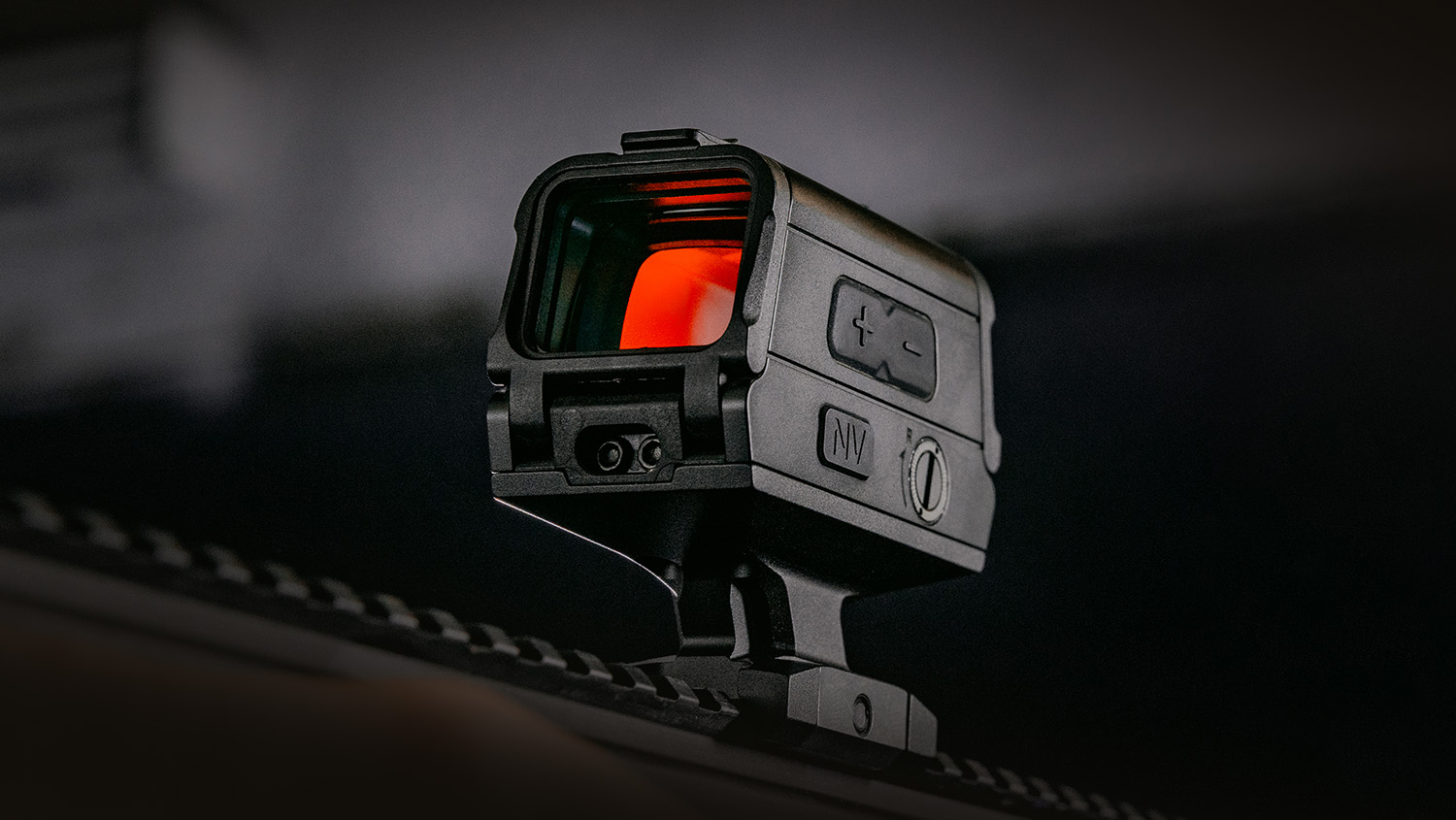
A dedicated NV button switches directly between daylight and night-vision modes without cycling through every brightness level. The optic provides 9 daylight and 3 night-vision settings, and memory returns it to the last selected level.
Motion Activation Technology (MAT) wakes the optic when movement is detected and shuts it down after three minutes of inactivity to help conserve the CR2032 battery. When voltage falls below 2.2 V, the reticle triple-flashes once per minute. That is a battery replacement warning, not a new reticle mode.
Beyond the Spec Sheet
The 7075-T6 aluminum housing and IPX8 waterproof rating establish the baseline. Osight then pushed the R through conditions that specifications alone cannot describe.
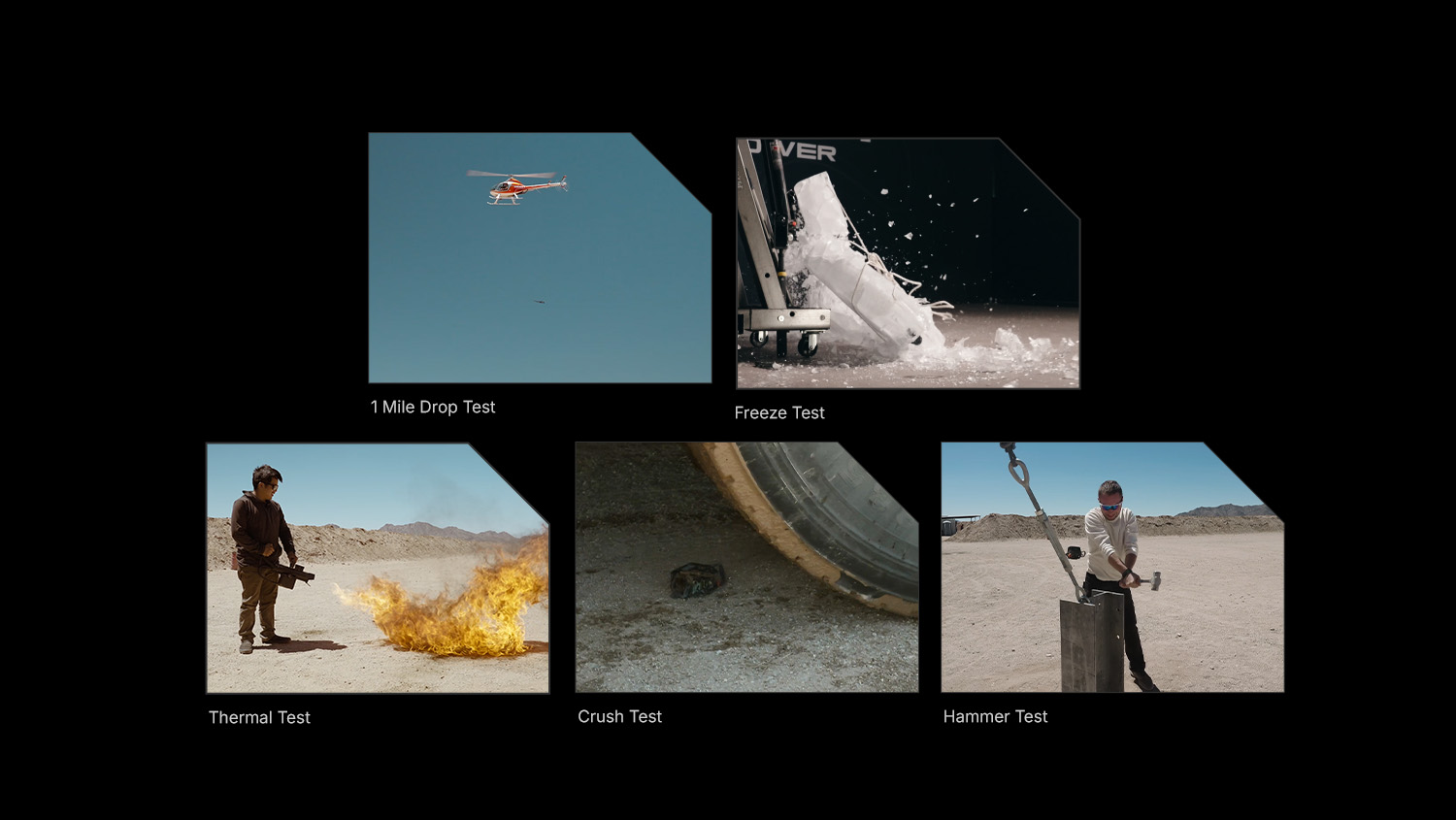
For the frozen-optics test, the powered-on sight was encased in solid ice. The thermal-shock test went further: the frozen optic was exposed to intense heat until the ice melted away. The R was also thrown as a baseball, struck with hammers, run over, and dropped several times from a helicopter, including a one-mile fall. It remained operational throughout the test sequence.
One challenge remained: 10,000 rounds of sustained targeting performance. Participants rotated through the testing station throughout the day, maintaining a continuous pace. Despite extreme operational stress and high ambient temperatures, the Osight R completed the full run count and continued operating normally.
Where It Lands
The window gets the attention, but the Osight R is a complete package to complement your setup. The reticle options change how much information appears in the glass. The enclosed emitter, protective covers, and ARD address the conditions around it. The Micro T1/T2 footprint and three available optical center heights determine where it meets the user.
The rigorous testing takes that package beyond ordinary range conditions. After enduring ice, heat, hammer strikes, vehicle-overrun tests, a one-mile drop, and 10,000 rounds, the results are better seen than summarized.
Watch the full 10,000-round performance test.