TL;DR
Finding the right UV tool starts with understanding the ultraviolet spectrum (UVA, UVB, UVC) and why 365nm UV wavelength is the gold standard for high-contrast inspection. From locating pet stains and mold to verifying Canadian currency and curing resin, a compact 365nm light reveals what the eye misses without harsh visible glare. Olight’s ArkPro Ultra and Arkfeld Ultra combine this professional 365nm emitter with high-lumen white light in a durable flat EDC design.
Ultraviolet light occupies a unique and highly practical space within the electromagnetic spectrum. While invisible to the human eye, its interaction with various materials allows us to reveal hidden details, inspect cleanliness, and perform advanced technical tasks. This guide explains the science of the ultraviolet spectrum, its practical domestic and professional applications, and how to select the right device for your needs.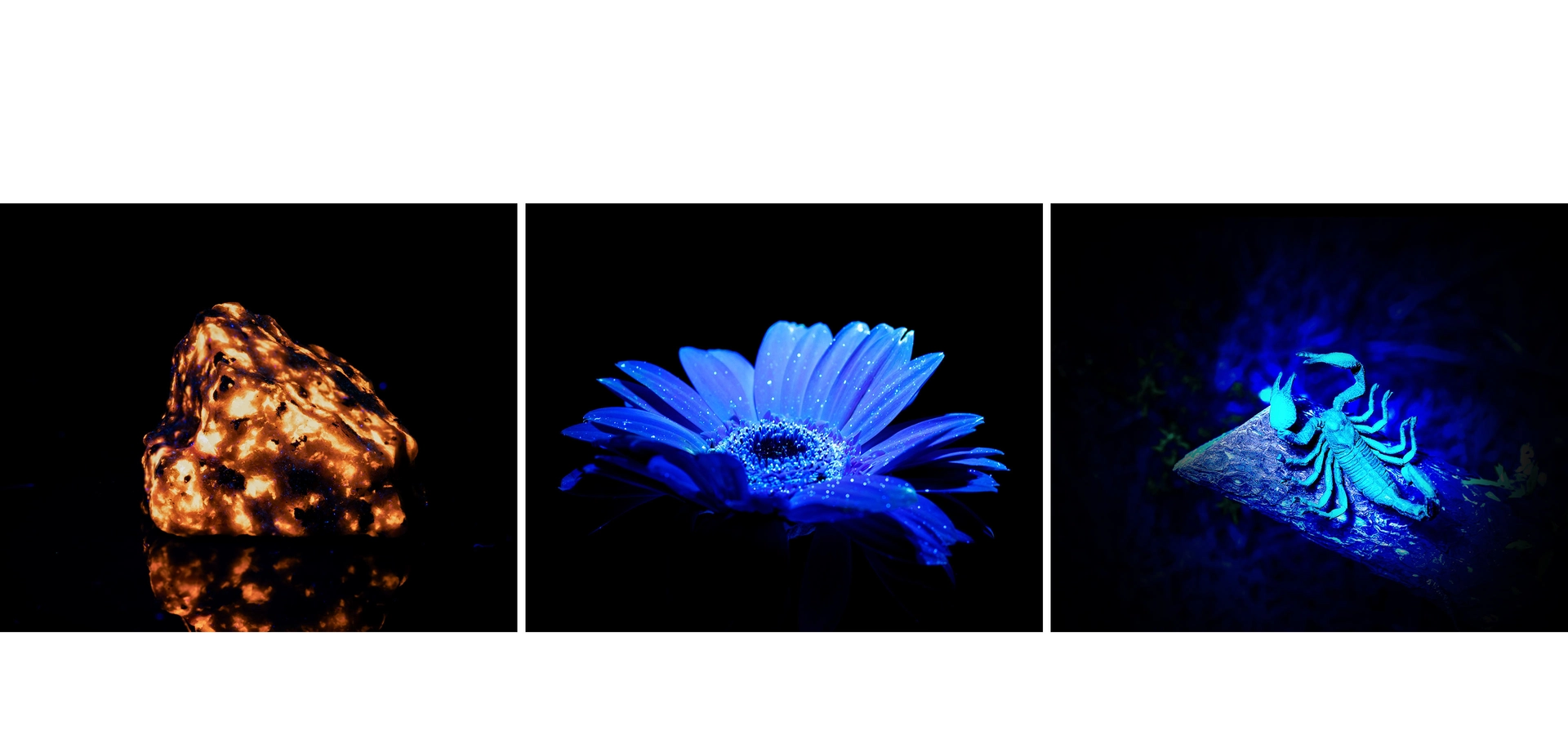
Table of Contents
- Understanding Ultraviolet Light: The Science Behind the Invisible
- Does UV Light Really Kill Bacteria and Viruses?
- Everyday Uses of UV Flashlights in Canadian Homes
- UV Light Therapy: Is a Regular UV Flashlight Enough?
- How to Choose the Right UV Flashlight
- Top Olight UV-Enabled Flashlights for 2026
- Frequently Asked Questions (FAQ)
- Conclusion: Bring the Invisible into View
Understanding Ultraviolet Light: The Science Behind the Invisible
UVA, UVB, UVC — Explained in Plain English
To understand the ultraviolet spectrum explained, we must look at wavelengths measured in nanometers (nm). The ultraviolet spectrum falls just below visible violet light and is divided into three primary bands:
- UVA (315 nm – 400 nm): Often called "blacklight." This light has the longest wavelength in the UV range and easily penetrates the atmosphere. It causes certain substances to fluoresce (glow) and is the safest type for consumer-grade illumination.
- UVB (280 nm – 315 nm): This medium-wavelength light is primarily responsible for sunburns and helps the human body synthesize Vitamin D. It is mostly absorbed by the earth's ozone layer.
- UVC (100 nm – 280 nm): The shortest and most energetic wavelength. UVC is highly destructive to organic molecules, making it effective for disinfection. Thankfully, atmospheric ozone filters out natural solar UVC entirely.
Why 365nm Is the Gold Standard for Consumer UV Flashlights
When choosing a compact handheld blacklight, wavelength selection is critical. While 395nm lights are cheaper and produce a visible purple glare, professional-grade tools use 365nm.
At 365nm, the light output contains minimal visible purple glow. As detailed in optical inspection research published in the National Institute of Standards and Technology (NIST) Technical Publications, narrow-band 365nm UV sources provide precise excitation irradiance for fluorescent inspection without introducing optical distortion from extraneous wavelengths. This reduction in visible background glare dramatically increases contrast, allowing faint fluorescent markers, organic stains, and security fibers to stand out clearly. A rechargeable UV inspection flashlight operating at 365nm is far more effective for precise analytical tasks than longer-wavelength alternatives. This pure optical emission ensures that organic compounds and security features glow brightly against a dark background rather than being washed out by purple spill. (Source: National Institute of Standards and Technology Technical Publications)
Does UV Light Really Kill Bacteria and Viruses?
The Germicidal Power of UV-C
When consumers ask, "does uv light kill bacteria?" the answer lies in the specific wavelength used. Germicidal irradiation relies almost exclusively on UVC light (specifically around 254 nm to 265 nm). This high-energy light penetrates the cell membranes of bacteria and viruses, disrupting their DNA or RNA structure. Once this genetic material is damaged, the microorganisms cannot replicate and are effectively neutralized.
What UV Flashlights CAN and CANNOT Sanitize
Most consumer-grade UV flashlights emit UVA light (365nm or 395nm). It is critical to note that UVA light does not possess the same germicidal capability as UVC. While a standard UV light can help you detect organic matter, mold, or bacteria deposits through fluorescence, it cannot be used to sanitize surfaces. Do not use commercial inspection flashlights as sterilization tools, as they do not generate the short-wavelength UVC needed to disrupt microbial DNA. Instead, view a high-power 365nm light as an indispensable diagnostic tool that pinpoints contamination so you can sanitize effectively with proper cleaning agents.
Everyday Uses of UV Flashlights in Canadian Homes
Detecting Pet Urine, Bed Bugs, and Hidden Stains
For homeowners and pet owners, a UV light is an invaluable diagnostic tool. Dried animal urine contains proteins and chemical compounds like phosphorus, which fluoresce under ultraviolet illumination. By dimming the room lights and sweeping a 365nm beam across carpets or furniture, you can locate invisible bio-stains for targeted cleaning. Additionally, bed bug activity leaves behind organic traces that become visible under a concentrated inspection beam. Rather than guessing where lingering odors originate, a dedicated 365nm beam gives you immediate visual proof, saving time and expensive carpet replacement costs.
Verifying Currency, IDs, and Anti-Counterfeit Marks
Modern Canadian bills, credit cards, and government-issued identification papers contain integrated security features that react only to UV exposure. Under a 365nm source, genuine bills reveal embedded glowing security strips and holographic designs. Business owners and retail workers can use these pocket-sized lights to verify transactions and prevent fraud instantly. Because cheap 395nm lights often fail to excite these high-security fluorescent inks clearly, a true 365nm emitter provides instant verification confidence.
Inspecting for Mold and Leaks in Basements & Attics
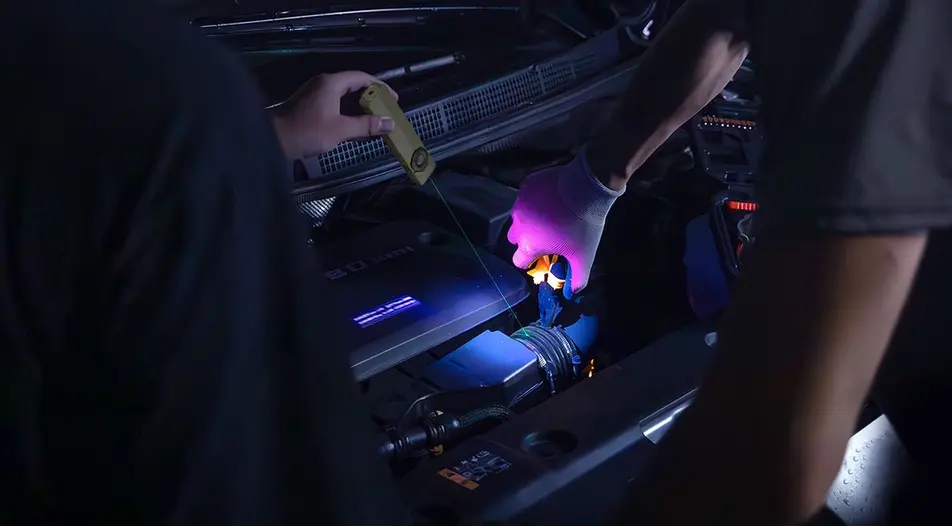
In damp areas like basements and crawlspaces, mold spores and fungal growth often go unnoticed until structural damage occurs. Many mold species fluoresce green or yellow under UV exposure. Furthermore, plumbers and HVAC technicians use non-toxic fluorescent dyes injected into plumbing, automotive, or AC systems to trace slow leaks with precision. Carrying a portable UV light during routine seasonal home inspections allows you to spot micro-leaks and moisture buildup before they turn into costly structural repairs.
Curing UV Resin, Glue, and Nail Polish at Home
Hobbyists and DIY enthusiasts utilize UV sources to instantly cure polymer resins, specialized structural adhesives, and gel nail polishes. High-performance portable UV emitters supply the concentrated optical power required to trigger these chemical hardening reactions within seconds. Instead of relying on tethered, single-purpose curing lamps, a multi-output EDC light lets you execute precision repairs anywhere on your workbench or in the field.

UV Light Therapy: Is a Regular UV Flashlight Enough?
The Difference Between Medical Phototherapy and Consumer UV Devices
In medical environments, phototherapy uses highly controlled narrow-band UVB light to treat chronic skin conditions like psoriasis, eczema, and vitiligo. These medical devices are calibrated with clinical precision to deliver therapeutic benefits without burning the skin.
A standard household UV flashlight cannot be used for phototherapy. Consumer UV lights do not emit the required UVB spectrum, and attempting to use them for medical purposes is ineffective and potentially dangerous. Always consult a healthcare professional for clinical light therapy treatments.
How to Choose the Right UV Flashlight
Wavelength, Power (mW), and Beam Focus
When selecting your device, prioritize these three core specifications:
- Wavelength: Stick to 365nm for professional inspections and maximum fluorescence contrast.
- Optical Power (mW): Higher milliwatt output means a stronger UV projection, allowing you to see reactions even in partially lit environments.
- Beam Focus: A well-designed reflector or lens ensures that the UV energy is concentrated on the target area rather than scattering uselessly.
Safety First — Eye and Skin Protection Basics
Although UVA is safer than UVB or UVC, prolonged direct exposure can damage eye retinas and irritate skin.
- Never look directly into a UV beam.
- Keep these devices away from children.
- For extended professional inspections, wear UV-blocking safety glasses to prevent eye fatigue and strain. The Occupational Safety and Health Administration (OSHA) Standard 1910.133 mandates appropriate eye and face protection to safeguard users against exposure to potentially injurious light radiation (Source: Occupational Safety and Health Administration (OSHA) Standard 1910.133).
Top Olight UV-Enabled Flashlights for 2026
Olight has integrated professional-grade ultraviolet emitters into robust, everyday-carry form factors. Here are the top models available for Canadian consumers.
ArkPro Ultra — 4-in-1 Multi-Light Powerhouse
The Arkpro Ultra is a versatile multi-source tool built for demanding inspection tasks and outdoor use.
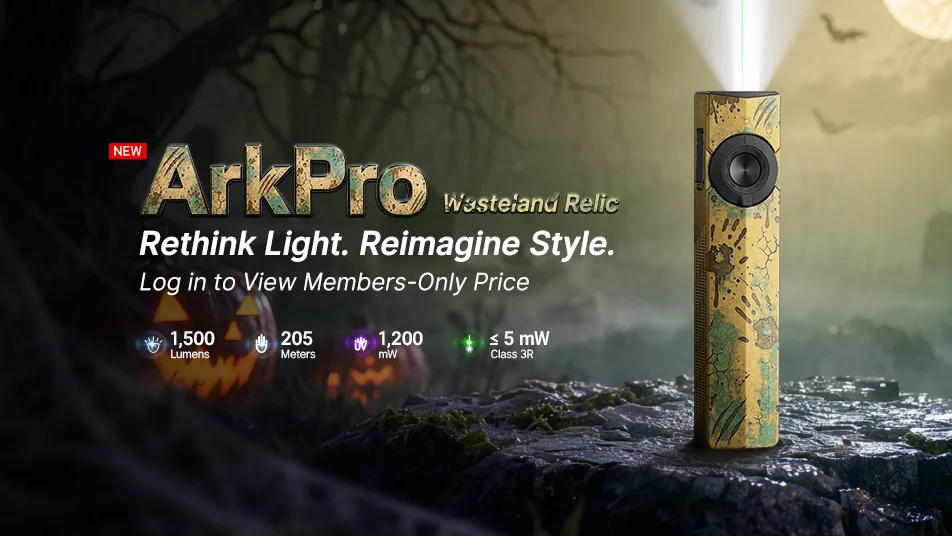
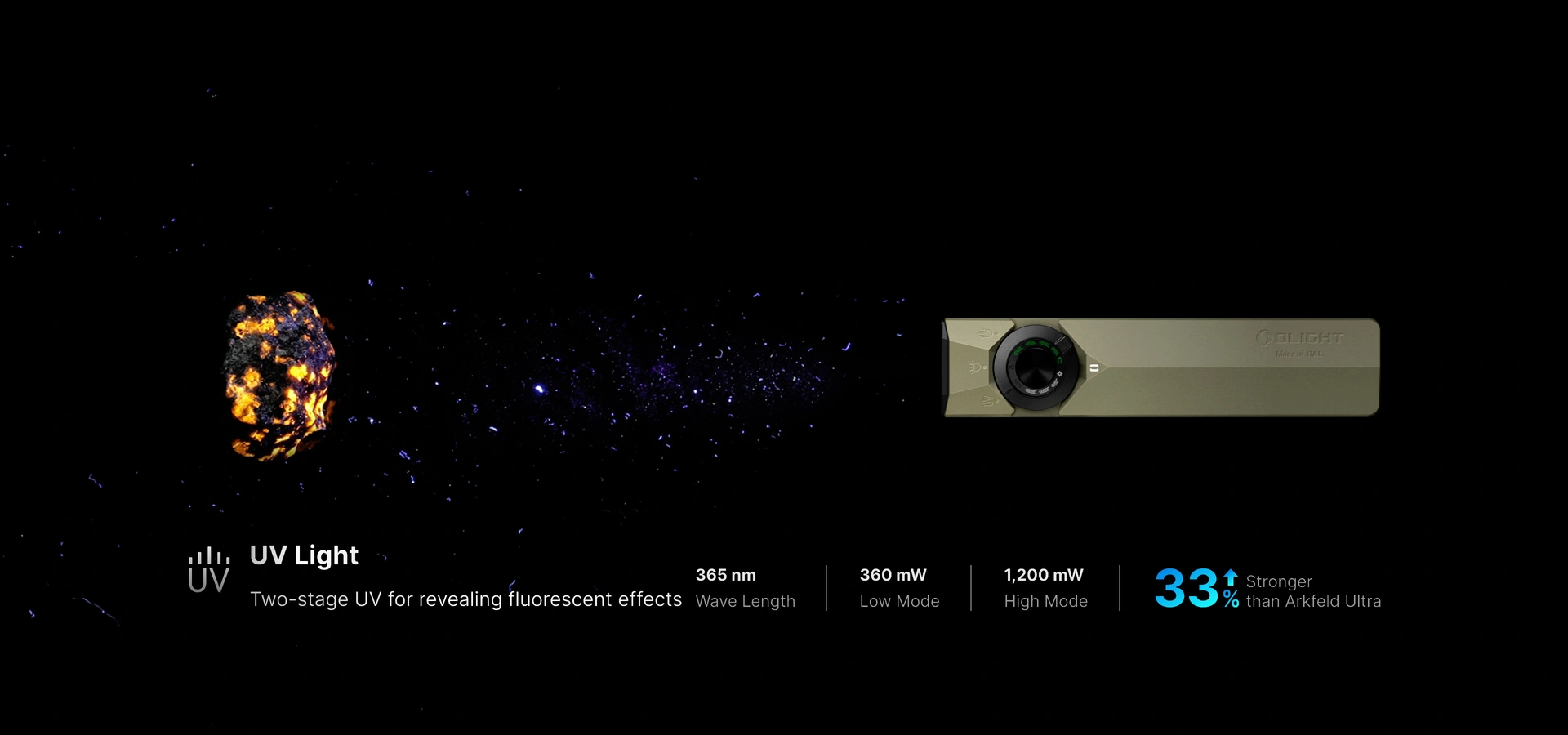
This model offers outstanding UV optical power, delivering up to 1,200 mW in high mode, which is ideal for broad-area contamination checks and mineral identification. By combining white illumination, a focused spotlight, a green laser, and a 365nm UV emitter into a single unibody frame, the ArkPro Ultra eliminates the need to carry separate inspection tools.
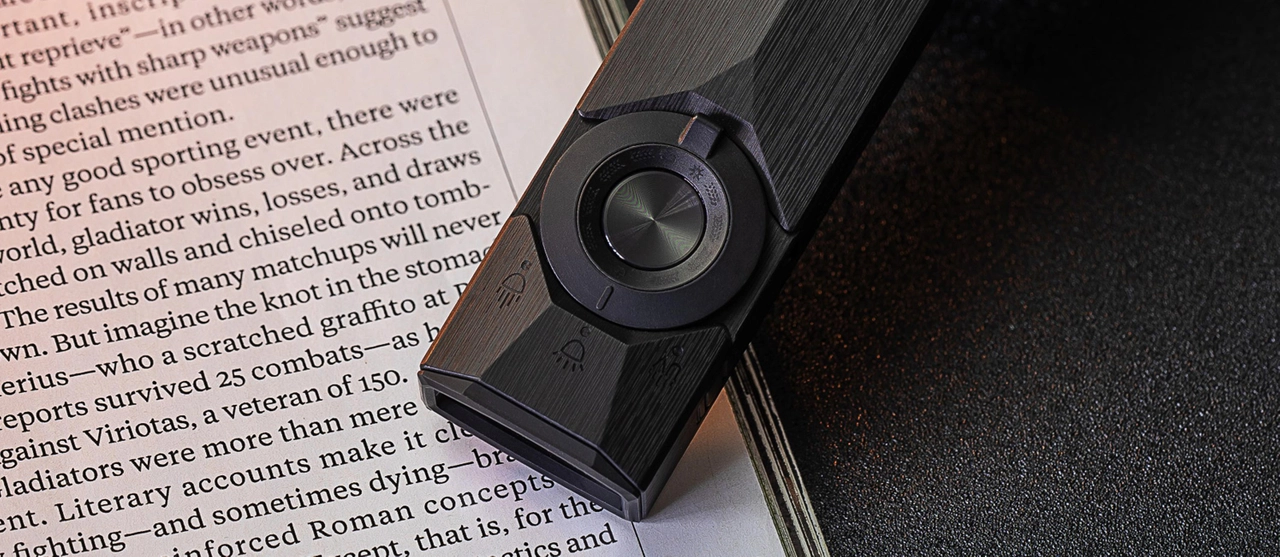
Olight ArkPro
Key Specs: 1,500 lumens white light, Green Laser, and UV LED in a slim unibody design with selector switch.
Shop ArkPro →Arkfeld Ultra — Flat EDC with Integrated UV
For users seeking a highly durable, slimline companion, the Arkfeld Ultra combines extreme material ruggedness with a triple-source output.
Its rugged O-aluminum body protects the high-contrast 365nm UV emitter, making it perfect for hard-use pocket carry. The flat anti-roll profile slides into a pocket like a pocketknife, ensuring high-power 365nm inspection capability is always within arm's reach.
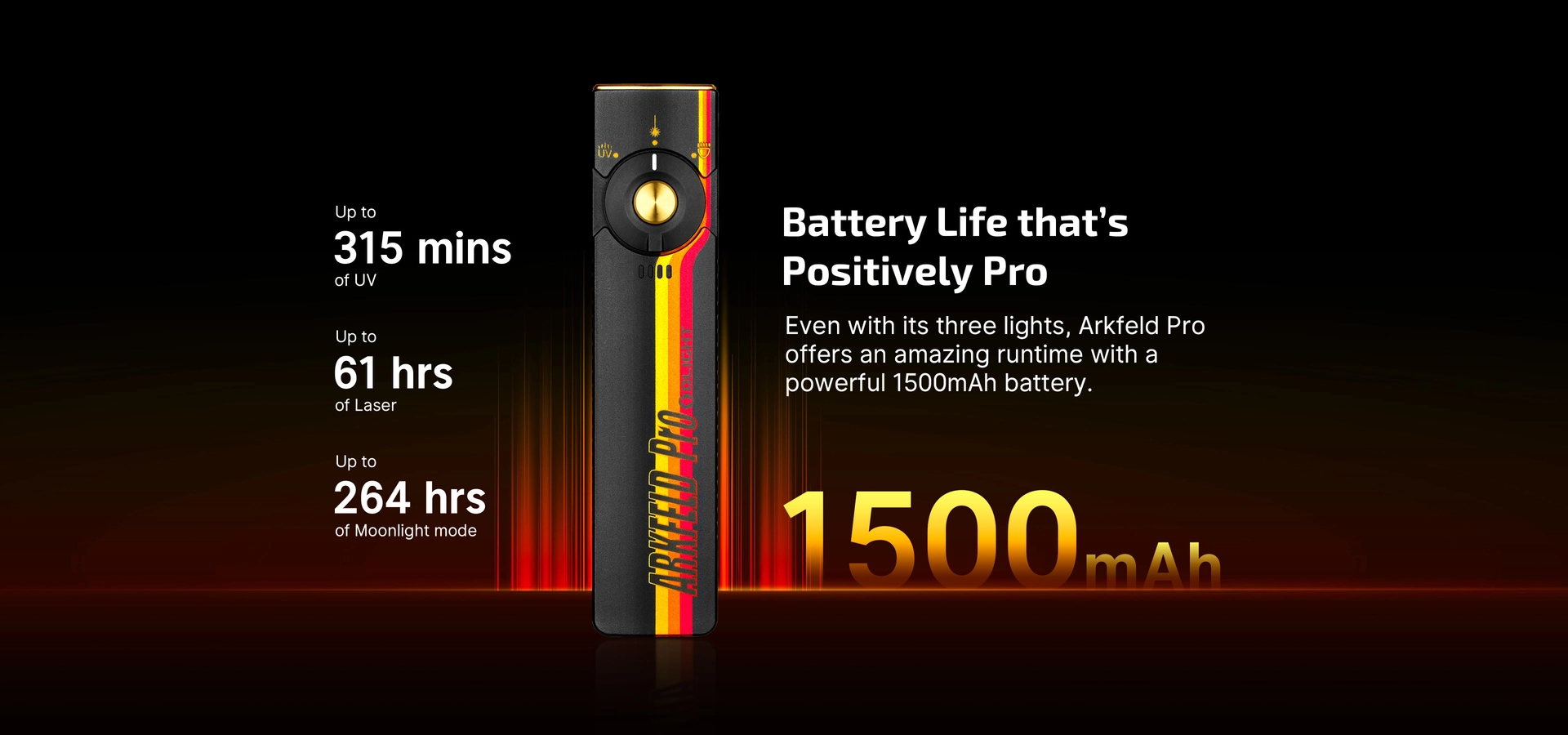
Olight Arkfeld Ultra
Key Specs: Scratch-resistant O-aluminum (OAL™) body, triple-source illumination, and magnetic MCC charging.
Shop Arkfeld Ultra →Frequently Asked Questions (FAQ)
Can I use a 365nm UV flashlight to check for pet stains in daylight?
Will UV light fade my furniture or carpets?
Is magnetic charging better than USB-C for UV lights?
Conclusion: Bring the Invisible into View
An ultraviolet light is a practical tool that reveals what the human eye cannot see. Whether you are checking hotel sheets, searching for leaks, verifying currency, or handling clean-up tasks at home, a reliable 365nm source is highly useful. By choosing a rugged, dual-purpose light like the Olight ArkPro or Arkfeld Ultra, you get a premium daily white-light flashlight paired with precision 365nm inspection capability—ensuring you're equipped for both everyday tasks and hidden inspections.