An effective fire management plan requires precise tools. Among these tools, the drip torch stands out as a fundamental instrument for wildland firefighters and land managers. This guide covers how a drip torch works, its primary applications, safety considerations in Canada, and the essential supporting gear—such as high-performance flashlights and headlamps—needed when controlled fire operations extend into low-light conditions.
- What Is a Drip Torch and How Does It Work?
- What Is a Drip Torch Used For?
- Drip Torch Safety, Training & Regulations in Canada
- Drip Torch vs. Terra Torch: What’s the Difference?
- What Gear Do Wildland Firefighters Need Beyond a Drip Torch?
- Why Lighting Matters During Nighttime Wildland Operations
- FAQ: Drip Torches, Prescribed Fire & Wildland Firefighting
- Conclusion: Precision Matters When Working With Fire
What Is a Drip Torch and How Does It Work?
A drip torch is a portable ignition tool used by trained wildland firefighters and land managers to apply fire in a controlled manner. It allows an operator to place ignition along a planned line rather than relying on individual ignition points.
Parks Canada identifies drip torches and other specialized ignition systems as tools used in prescribed-fire operations, where fire is deliberately applied to achieve defined ecological or wildfire-risk-reduction objectives. (Source: Parks Canada — Prescribed Fire)
What a Drip Torch Does During Controlled Ignition
During a burn operation, the operator carries the canister by its handle and tilts it downward. Fuel flows through the spout and past the ignited wick, allowing burning fuel to be deposited onto vegetation below.
This creates a continuous ignition line that can be used to establish or extend a planned burn. The exact ignition pattern and operating procedure depend on the burn plan, fuel conditions, terrain, weather, and objectives of the operation.
How the Fuel and Wick System Works
A typical drip torch consists of a fuel reservoir, spout, breather system, and wick assembly. The wick provides the ignition source while the fuel reservoir supplies the combustible liquid used to create the fire line.
Parks Canada notes that specialized ignition tools, including drip torches, may use gasoline/diesel mixtures during prescribed-fire operations. The exact fuel formulation, handling procedures, and equipment requirements should always follow the applicable manufacturer's instructions and fire-management procedures. (Source: Parks Canada — Indigenous Fire Stewardship)
Why Fire Crews Use Specialized Ignition Tools
A purpose-built ignition tool gives trained crews a controlled method of applying fuel and establishing an ignition line.
That precision matters because fire behaviour can change rapidly with fuel, weather, and terrain. Canada's Fire Behaviour Prediction System considers factors including vegetation fuel type, wind, fuel moisture, and topography when assessing potential wildland fire behaviour. (Source: Natural Resources Canada — Canada’s Fire Behaviour Prediction System)
What Is a Drip Torch Used For?
A drip torch is primarily an ignition tool for planned fire operations. In Canada, prescribed fire is used as part of broader fire-management strategies, including reducing accumulated fuel loads and supporting ecological and land-management objectives. (Source: Natural Resources Canada — Fire Management)
Prescribed Burns and Fuel Reduction
Prescribed burning is the intentional application of fire under defined conditions and according to an established plan.
One important objective is fuel reduction. Natural Resources Canada explains that forest managers use prescribed burning to remove built-up fuel loads and reduce the risk of large, uncontrollable fires. Prescribed burning can also support wildlife habitat and other resource-management objectives. (Source: Natural Resources Canada — Fire Management)
Backburning and Blacklining
In some fire-management operations, crews may use fire to consume fuels in strategically selected areas ahead of an advancing wildfire or around a planned control feature.
Natural Resources Canada identifies backburning as a fire-management technique that can influence fire behaviour and help firefighters manage wildfire spread. (Source: Natural Resources Canada — Fire Behaviour)
Blacklining can involve deliberately burning vegetation along a control line to reduce available fuel near the line. The specific tactic, ignition pattern, and conditions depend on the fire-management plan and the operational situation.
How Weather, Fuel, and Terrain Affect Fire Operations
Every prescribed-fire operation depends on environmental conditions. Wind, temperature, relative humidity, precipitation, fuel moisture, vegetation, slope, and other terrain characteristics can all influence how a fire behaves.
Natural Resources Canada explains that fuel, weather, and topography control characteristics such as flame behaviour, rate of spread, direction of spread, and fire intensity. (Source: Natural Resources Canada — Fire Behaviour)
Drip Torch Safety, Training & Regulations in Canada
Working with open flame and combustible fuel requires specialized training, planning, and operational controls. Requirements can vary according to jurisdiction, agency, land manager, and the specific fire operation.
Who Can Operate a Drip Torch?
A drip torch should only be operated by personnel who are trained, authorized, and working within an approved fire-management operation.
Parks Canada describes prescribed fires as highly planned operations conducted by trained fire specialists, with safety of crews, the public, infrastructure, and neighbouring lands treated as a priority. (Source: Parks Canada — Prescribed Fire)
Training and Authorization for Prescribed Burns
Prescribed fire is not simply a matter of lighting vegetation with a torch. Planning can include assessing fuels, weather, terrain, fire behaviour, resources, contingency measures, and operational boundaries.
Parks Canada states that prescribed-fire plans can require extensive preparation and assessment, with each plan establishing the conditions that must be met before ignition. Plans are reviewed by fire-management specialists before approval. (Source: Parks Canada — Prescribed Fire)
The final decision to ignite a prescribed fire is also subject to authorization and confirmation that the required conditions and resources are in place. (Source: Parks Canada — Prescribed Fire)
Fuel Handling, PPE, and Operational Safety
Fuel handling should follow the equipment manufacturer's instructions, applicable workplace requirements, and the operating procedures established for the specific fire operation.
Personal protective equipment should likewise be selected according to the operational hazard assessment, agency requirements, and applicable fireline standards. Consumer outdoor equipment should not be treated as a replacement for certified fireline PPE.
Parks Canada notes that prescribed-fire operations require appropriate training, equipment, personnel, and safety measures before ignition can proceed. (Source: Parks Canada — Prescribed Fire)
Why Fire Behaviour and Burn Conditions Matter
A change in wind, humidity, fuel moisture, or terrain can alter how quickly and intensely a fire develops.
Natural Resources Canada identifies weather, fuels, and topography as major factors affecting wildland fire behaviour. Hot, dry, and windy conditions can increase fire spread and intensity. (Source: Natural Resources Canada — Fire Behaviour)
For prescribed-fire operations, ignition only occurs when the conditions specified in the fire prescription are met. Parks Canada refers to this period as the appropriate “burn window.” (Source: Parks Canada — Prescribed Fire)
Drip Torch vs. Terra Torch: What’s the Difference?
Different fire-management operations may require different ignition systems. A drip torch and Terra Torch serve related purposes but operate at different scales.
Handheld Ignition with a Drip Torch
A drip torch is a handheld ignition device that allows an operator to apply fire while moving through a burn unit.
Its portable format allows trained personnel to establish ignition along selected areas of a prescribed-burn unit.
Parks Canada identifies specialized ignition tools such as drip torches among the equipment used for prescribed-fire operations. (Source: Parks Canada — Prince Albert National Park)
Larger-Scale Ignition with a Terra Torch
A Terra Torch is a larger ignition system intended for operations where a different scale or method of fuel application is required.
The choice between a handheld drip torch and a larger ignition system depends on the specific burn plan, vegetation, terrain, operational objectives, and resources available.
Parks Canada identifies both handheld drip torches and Terra Torch systems among the ignition methods that may be used in prescribed-fire operations. (Source: Parks Canada — Prince Albert National Park)
Choosing the Right Ignition Method
There is no universal ignition tool for every prescribed-fire operation.
Handheld drip torches can provide mobile, localized ignition, while larger systems may be selected when the operation requires broader or specialized fuel application. The appropriate method should always be determined by trained fire personnel as part of the approved burn plan.
What Gear Do Wildland Firefighters Need Beyond a Drip Torch?
A drip torch handles one specific job: controlled ignition. It does not replace the equipment crews need to see, communicate, navigate, inspect equipment, and work safely in changing conditions.
When field operations extend into low-light environments, reliable flashlight becomes an important part of a crew's overall equipment setup.
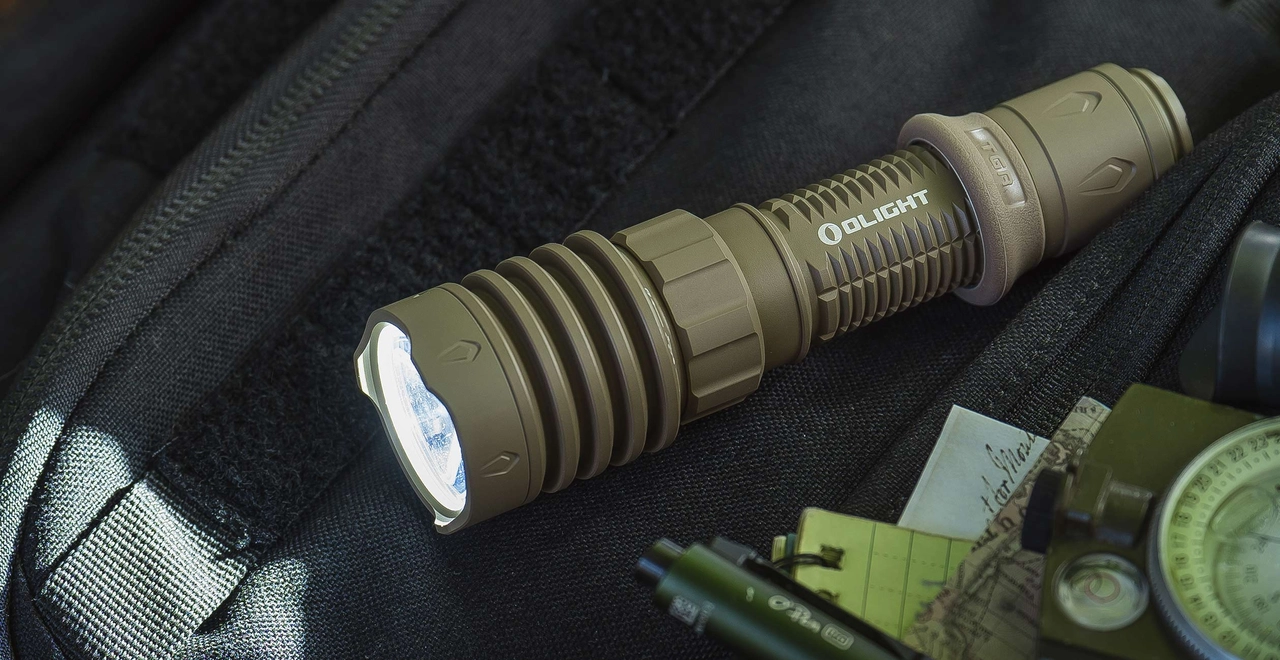
Tactical Flashlights for Fireline Operations — Olight Warrior 3S
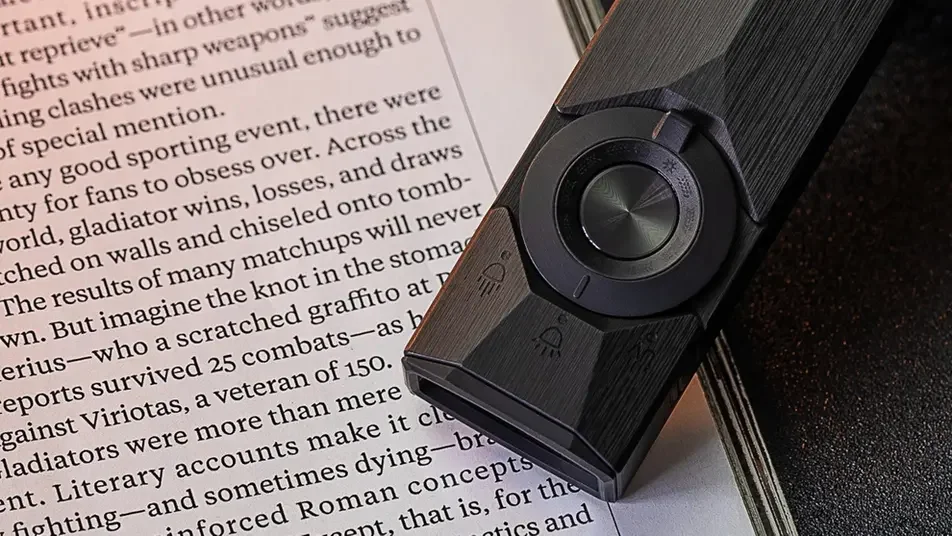
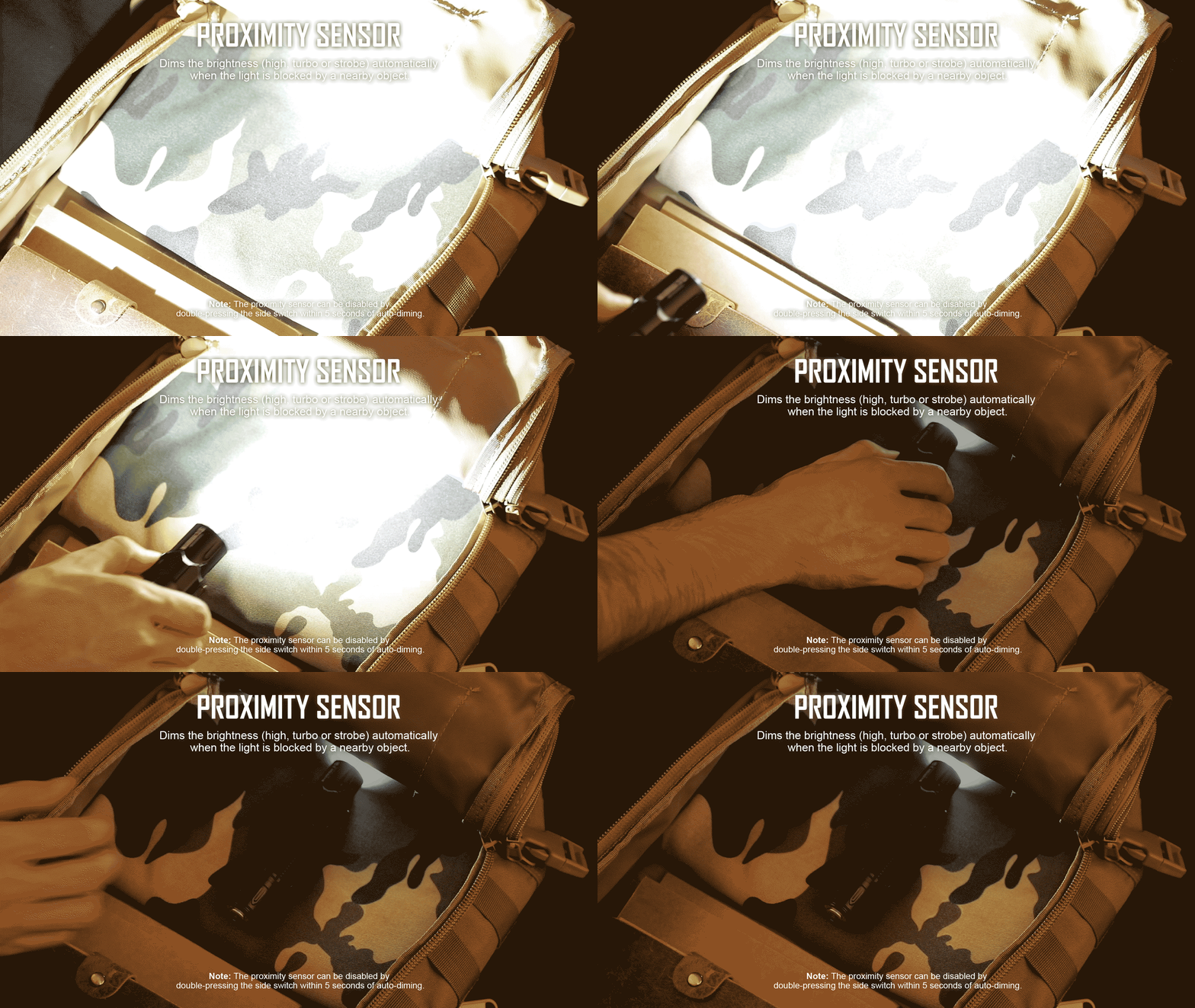
A compact tactical flashlight can provide immediate illumination for close-to-mid-range inspection, equipment checks, navigation, and general field tasks. The Olight Warrior 3S delivers up to 2,300 lumens and features a proximity sensor and dual-stage tail switch. For wildland crews, a flashlight such as the Warrior 3S can complement—not replace—the specialized fireline equipment and procedures required for live-fire operations.
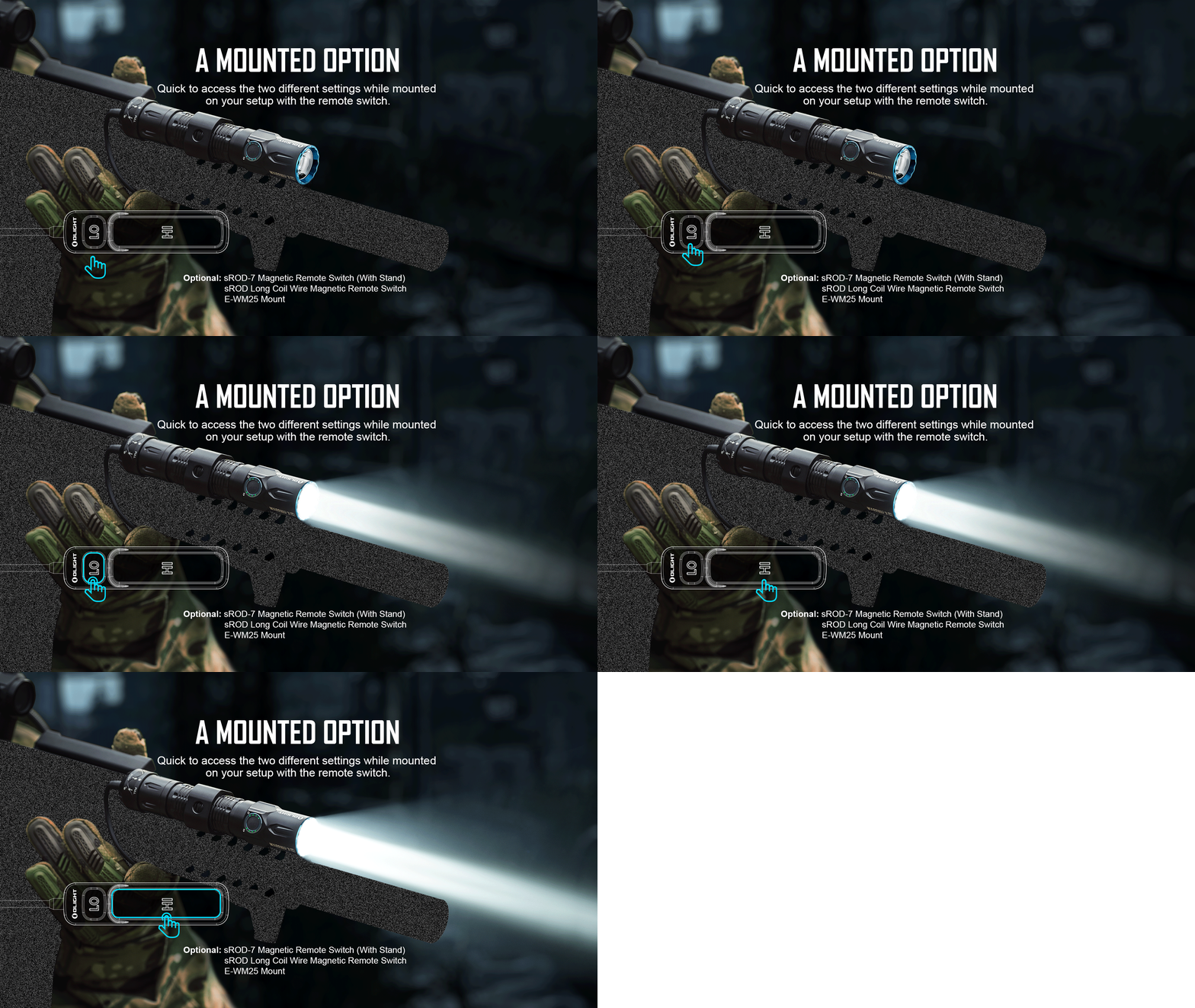
Warrior 3S (2300 Lumens)
Key Specs: Delivers up to 2,300 lumens with a 300-meter beam distance, featuring a dual-switch layout and proximity sensor protection.
Add to Cart →Long-Throw Lighting for Search and Visibility — Olight Warrior X 4
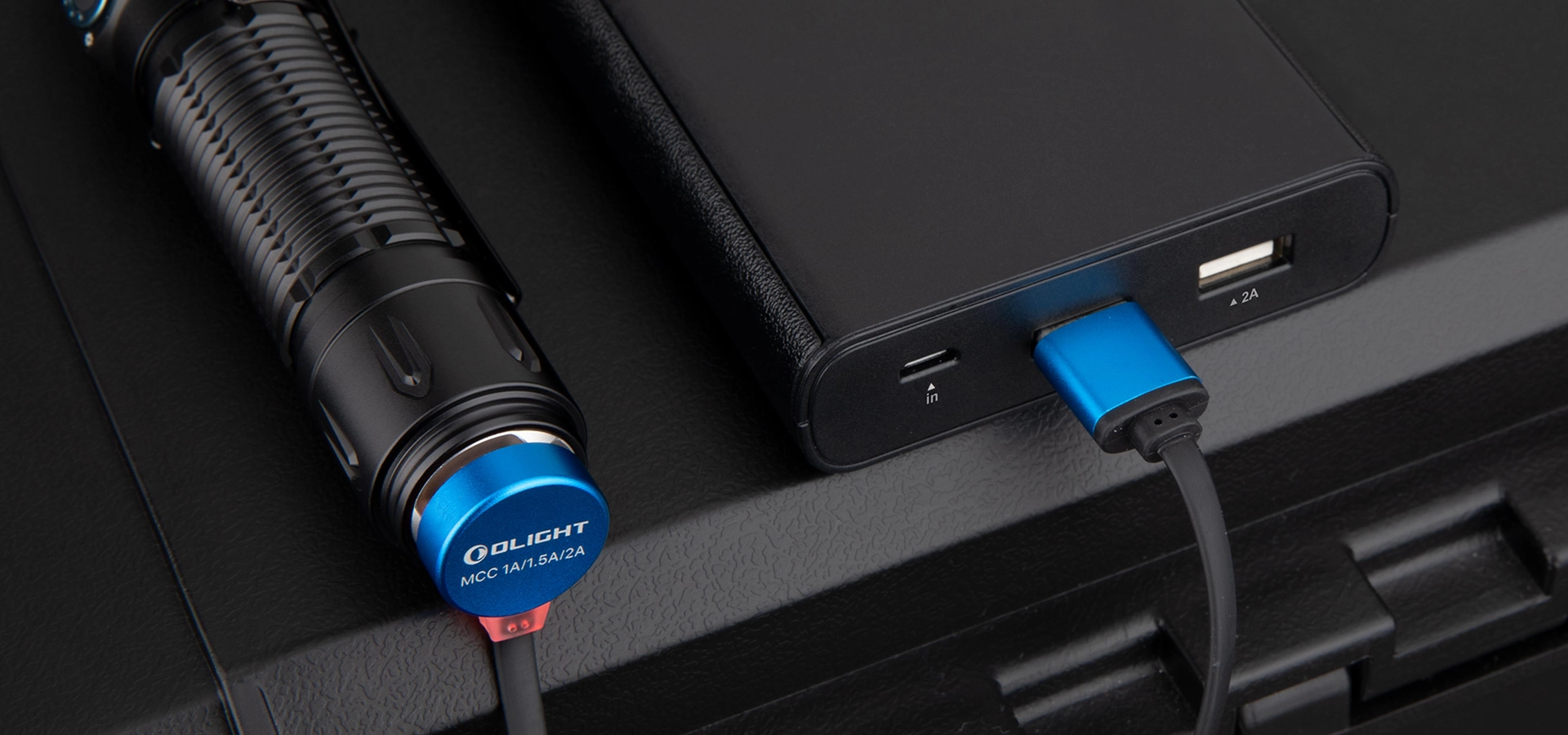
When crews need to inspect a distant area, scan a tree line, or check visibility beyond the immediate work zone, a long-throw flashlight can provide a different type of illumination from a general-purpose light. The Olight Warrior X 4 is rated for up to 2,600 lumens and a maximum beam distance of 630 meters. It also supports USB-C and magnetic charging. This type of long-range lighting can support visual checks and navigation where seeing beyond the immediate foreground is important.
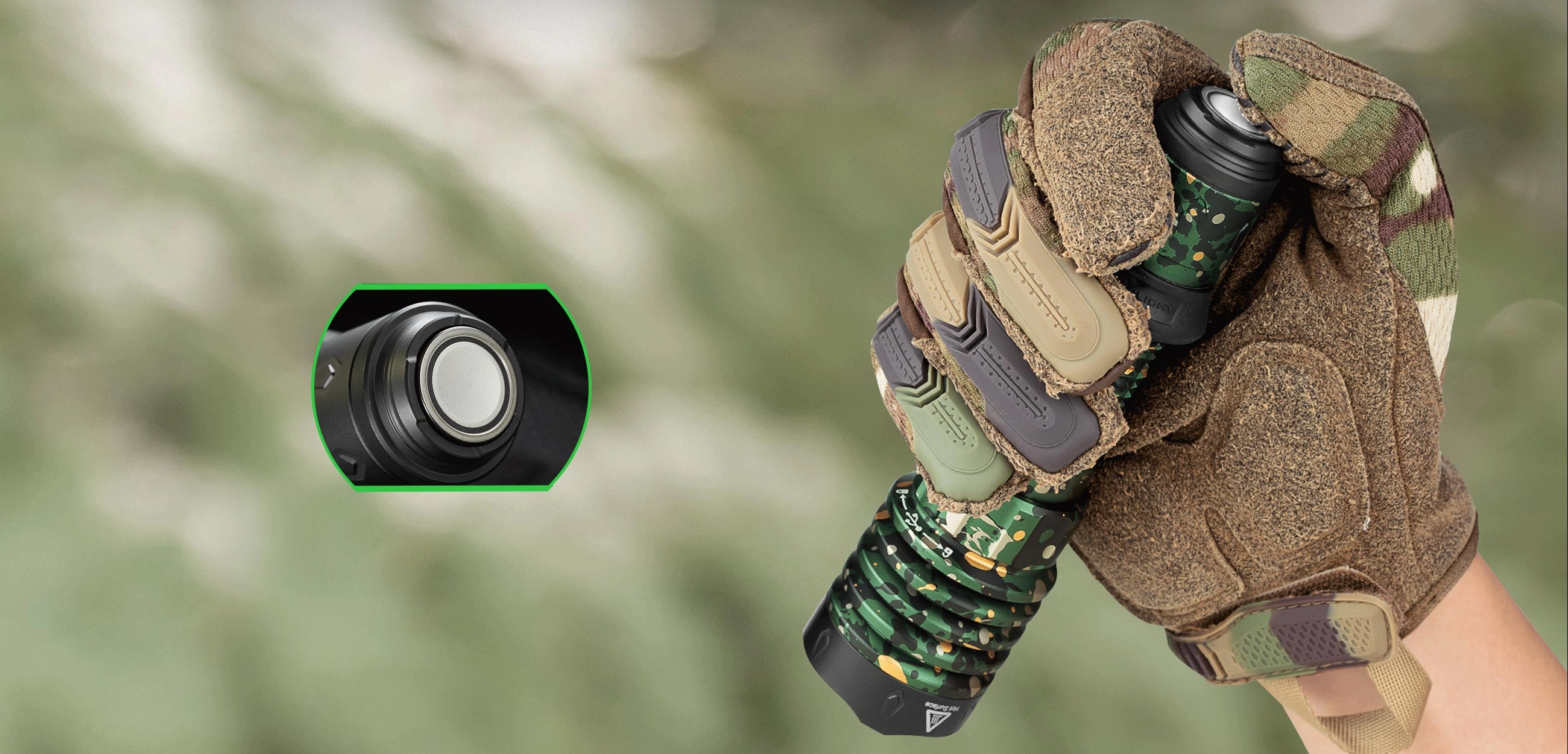
Warrior X4 Tactical Flashlight
Key Specs: Max 2,600 lumens with an impressive 630-meter beam distance and heavy-duty tactical construction.
Add to Cart →Hands-Free Headlamps for Field Tasks — Olight Perun 3
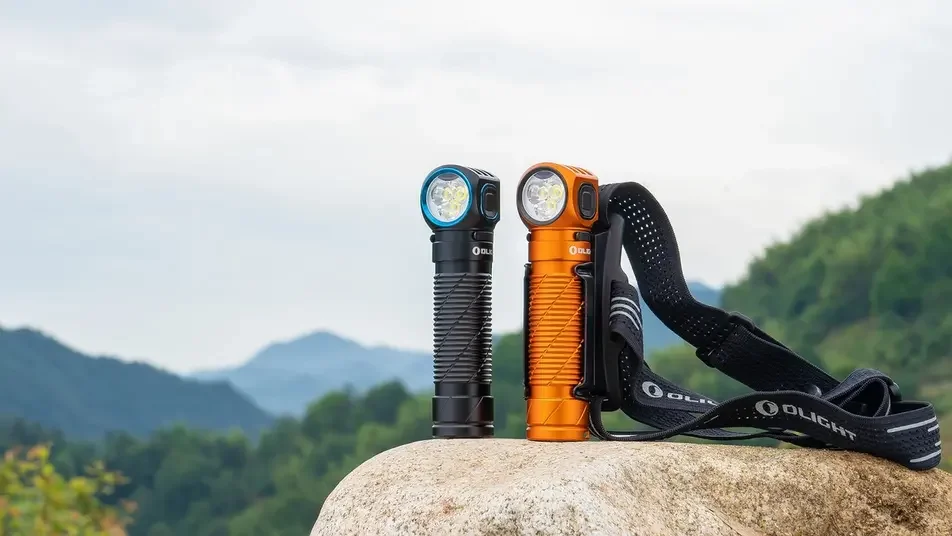
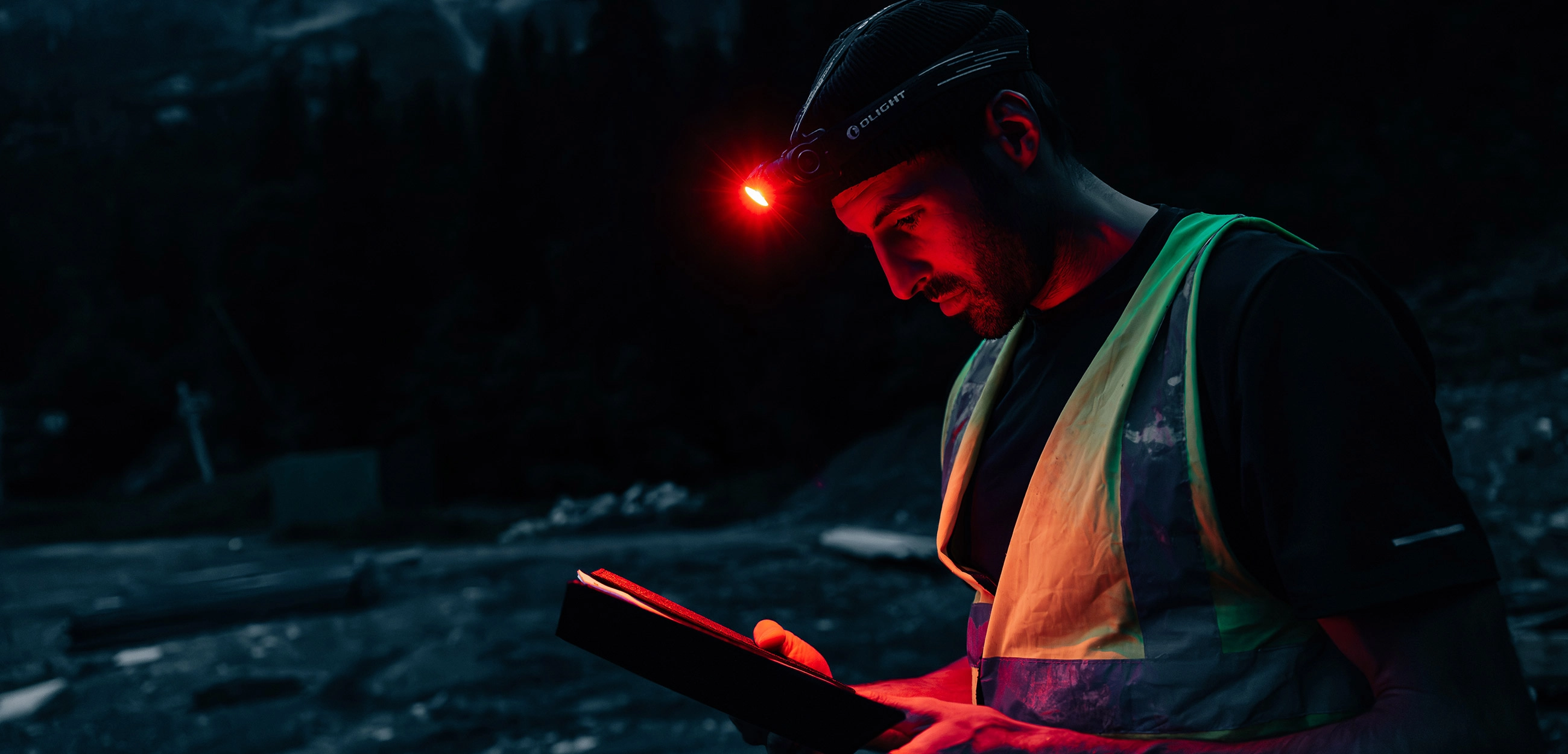
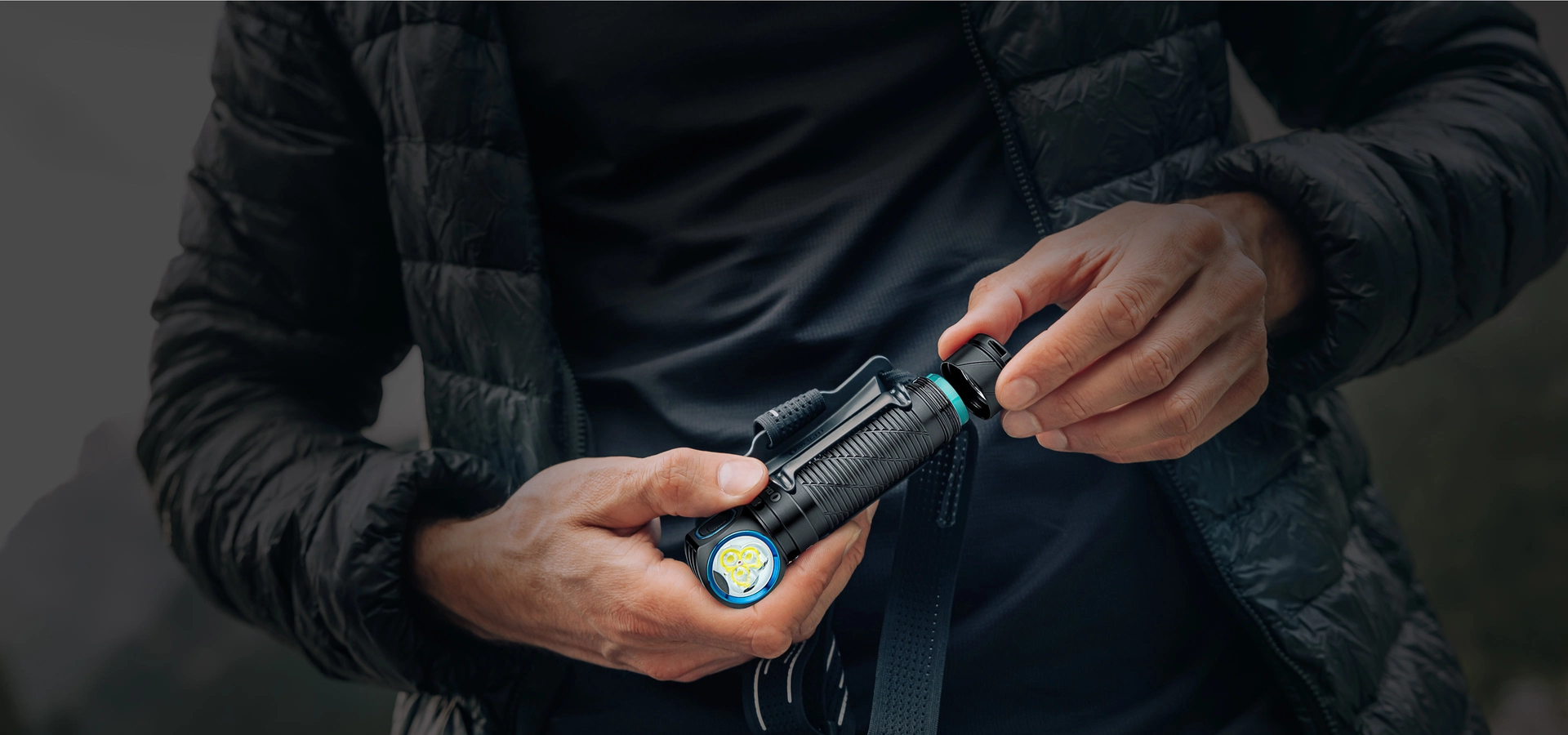
Some field tasks require both hands. A headlamp can keep the work area illuminated while allowing the user to carry equipment, inspect gear, or navigate uneven terrain. The Olight Perun 3 provides up to 3,000 lumens and includes white-light and red-light modes. Its headlamp format is designed for hands-free illumination during field activities. The Perun 3 is also rated IP68 for dust and water resistance. Users should still follow the manufacturer's operating limitations and understand that a consumer flashlight or headlamp is not a substitute for certified fireline PPE or specialized firefighting equipment.
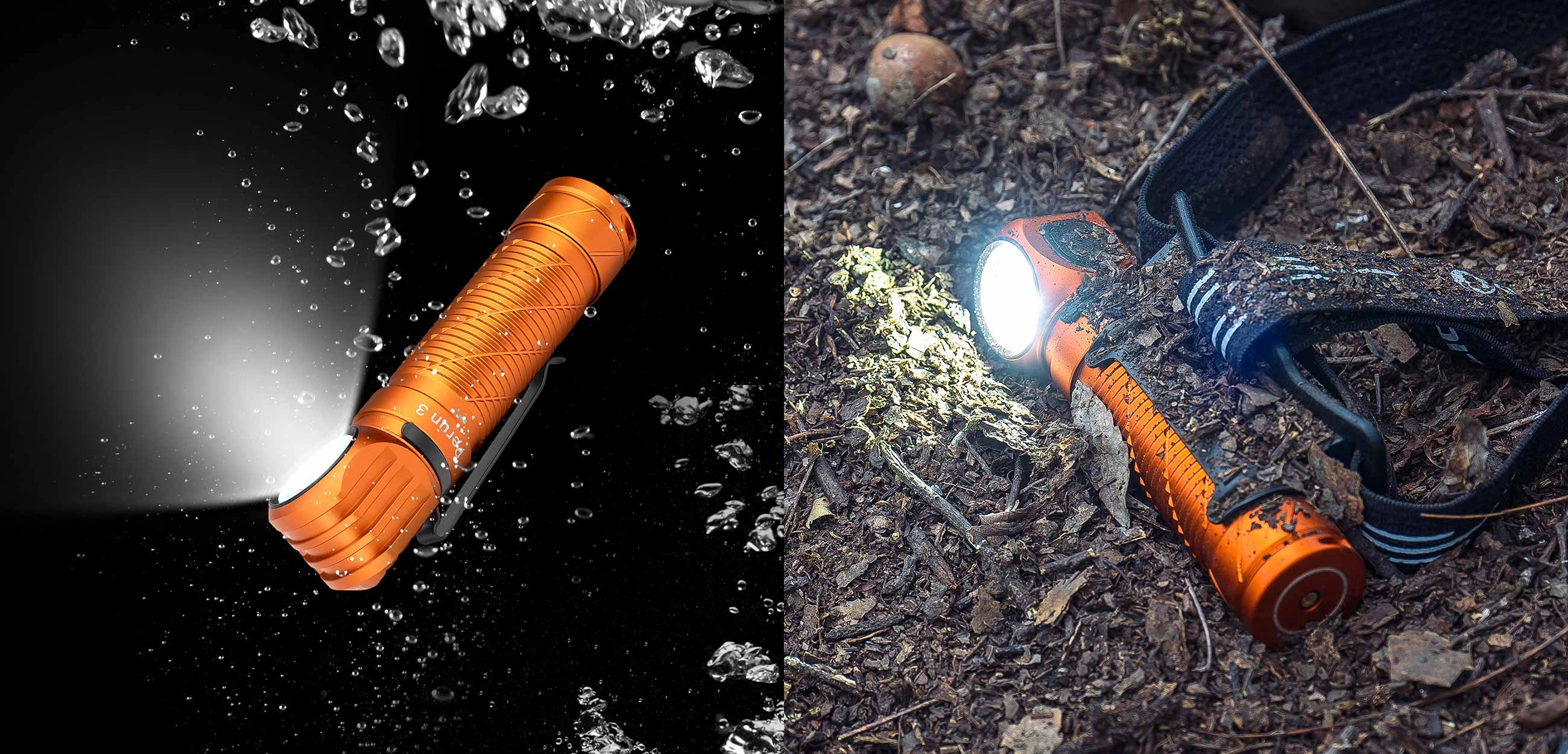
Perun 3 Headlamp
Key Specs: Dual-purpose right-angle headlamp and handheld light, delivering powerful illumination and hands-free convenience.
Add to Cart →Why Different Fireground Tasks Require Different Lighting
| Lighting Tool | Primary Use | Key Feature |
|---|---|---|
| Olight Warrior 3S | Close-to-mid-range inspection and general utility | Proximity sensor and tactical tail switch |
| Olight Warrior X 4 | Long-range visibility and distant-area checks | Up to 630 m beam distance |
| Olight Perun 3 | Hands-free field work and navigation | Up to 3,000 lumens, red light, IP68 |
The goal is not to find one light that does everything. Different lighting formats solve different visibility problems, just as different ignition systems serve different fire-management requirements.
Why Lighting Matters During Nighttime Wildland Operations
Nighttime operations introduce a different visibility environment. Uneven terrain, smoke, vegetation, equipment, and changing fire conditions can all make movement and visual assessment more difficult.
Seeing the Fireline After Dark
Once natural light disappears, crews may need artificial illumination to inspect their immediate surroundings, equipment, access routes, or designated work areas. Fire behaviour also varies over the course of a day. Natural Resources Canada notes that fire intensity generally increases during the day as temperatures rise and humidity drops, while these conditions can reverse at night. (Source: Natural Resources Canada — Fire Behaviour) Reliable lighting can therefore become one component of maintaining situational awareness during nighttime field work.
Keeping Both Hands Free for Field Work
Some tasks require both hands to remain available. Carrying equipment, checking gear, navigating obstacles, or performing other field tasks can make a handheld flashlight less convenient. A headlamp provides illumination in the direction the wearer is looking while leaving both hands available for work. The Olight Perun 3 is designed as a hands-free headlamp and provides both white and red-light modes.
Long-Range Visibility in Low-Light Conditions
Close-range illumination is not always enough when crews need to inspect an area beyond their immediate position. A long-throw flashlight can help illuminate distant objects, terrain features, or selected areas for visual assessment. The Olight Warrior X 4 is rated for a maximum beam distance of 630 meters. Actual visibility in smoke, dust, vegetation, and other atmospheric conditions will vary, so a manufacturer's beam-distance specification should not be interpreted as guaranteed real-world visibility in every fire environment.
Working Through Smoke, Uneven Terrain, and Changing Conditions
Smoke can significantly affect visibility and perception in wildland fire environments. Natural Resources Canada explains that smoke is produced by both flaming and smouldering combustion, while fire behaviour itself varies according to fuels, weather, and topography. (Source: Natural Resources Canada — Fire Behaviour)
Lighting can improve visibility of nearby terrain and equipment, but it cannot eliminate the hazards created by smoke, fire, poor visibility, or changing fire behaviour. Fire crews should continue to follow established fireline safety procedures and operational controls.
FAQ: Drip Torches, Prescribed Fire & Wildland Firefighting
Are Drip Torches Used for Prescribed Burns?
What Is the Difference Between a Drip Torch and a Terra Torch?
Can Anyone Use a Drip Torch?
What Makes a Good Flashlight for Wildland Firefighting?
What Lighting Is Best for Nighttime Fireline Operations?
What Should Be in a Wildland Firefighter’s Night Operations Kit?
Conclusion: Precision Matters When Working With Fire
Managing land with fire requires a careful balance of planning, training, fire-behaviour knowledge, and specialized equipment. A drip torch is one part of that system: it provides controlled ignition, while trained crews, burn plans, weather assessments, and operational controls determine when and how fire can be used.
Canada's fire-management systems emphasize the importance of understanding fuels, weather, topography, and fire behaviour when managing wildland fire. (Source: Natural Resources Canada — Canada’s Fire Behaviour Prediction System)
When operations extend into low-light conditions, reliable lighting becomes another practical part of field readiness. From the close-range utility of the Olight Warrior 3S to the long-range reach of the Warrior X 4 and the hands-free design of the Perun 3, different lighting tools can support different nighttime tasks.
Ultimately, precision is what connects every part of a professional fire-management operation—from the ignition tool in a firefighter's hand to the lighting equipment that helps the crew see, move, and work after dark.