TL;DR
Discover the real science of uv light for plants in indoor gardening. A portable 365nm UV torch is not a primary grow light replacement, but a vital Plant Health Diagnostic Tool and Inspection Light. Understanding Grow Light vs UV Torch differences helps debunk Indoor Gardening Lighting Myths. Using Supplemental UV Light for Houseplants enhances secondary metabolites, detects powdery mildew fluorescence early, and spots hidden pests to keep your garden thriving.
Indoor gardening has grown from a simple hobby into a precise science. To help houseplants thrive, growers constantly seek advanced tools to optimize their setups. Among these tools, the use of ultraviolet (UV) light is one of the most debated topics. Can a portable UV flashlight actually help your indoor garden thrive, or is it just another gimmick?
Using a specialized UV light source differs significantly from running standard lighting setups. Understanding how to use a portable UV torch as a manual Plant Health Diagnostic Tool can help you spot pests, identify fungal outbreaks, and manage plant health before damage occurs. This guide looks at the science of uv light for plants, debunks common Indoor Gardening Lighting Myths, and explains how a portable Inspection Light can protect your indoor garden.
Table of Contents
- 1. The Truth About UV Light and Plant Growth
- 2. Real Benefits of UV Light for Indoor Plants
- 3. What UV Light CANNOT Do (Debunking Common Myths)
- 4. UV Flashlight Applications Every Indoor Gardener Should Know
- 5. How to Safely Use a UV Flashlight in Your Grow Room
- 6. Key Features to Look For in a Diagnostic UV Flashlight
- 7. FAQ
- 8. Conclusion: A Small Tool with a Big Impact
The Truth About UV Light and Plant Growth
To understand how UV light interacts with plants, we must look beyond basic visible light. Standard grow lights primarily emit red and blue wavelengths to drive photosynthesis. However, natural sunlight contains a broad spectrum, including ultraviolet radiation, which triggers specific plant responses.
Why Plants Don't Just Need Visible Light
While visible light powers the primary engines of photosynthesis, plants developed outdoors under natural sunlight, which contains UV radiation. Without these wavelengths, indoor plants can become soft and structurally weak. Incorporating targeted UV wavelengths helps indoor plants mimic their natural outdoor defense mechanisms. This makes them sturdier and more resilient to environmental stress.
The Role of UV-A vs UV-B in Photosynthesis
Ultraviolet light is divided into three bands: UV-A, UV-B, and UV-C.
- UV-A (315nm – 400nm): This is the safest and most common UV band. It penetrates plant tissue gently, assisting in light absorption and helping plants transition smoothly between growth phases. Supplemental UV-A radiation can significantly enhance crop yield, biomass production, and phytochemical quality without inducing destructive stress (Source: Frontiers in Plant Science).
- UV-B (280nm – 315nm): This band triggers stress responses. While high doses can damage cells, small, controlled amounts encourage plants to produce protective compounds. These compounds often enhance flavors, aromas, and natural defenses.
- UV-C (100nm – 280nm): This band is highly ionizing and destructive. It is used primarily for sterilization and should not be used for daily plant growth.
When comparing a Grow Light vs UV Torch, it is important to know that a dedicated grow light provides continuous, wide-angle illumination for daily growth. In contrast, a portable UV torch acts as a targeted diagnostic tool to inspect plants up close.
Real Benefits of UV Light for Indoor Plants
Integrating Supplemental UV Light for Houseplants offers several practical benefits.
Boosting Flavor, Color & Essential Oils
When plants sense UV-A or UV-B light, they react as if they are under intense sunlight. To protect themselves, they produce secondary metabolites, which act as a natural "sunscreen." In herbs like basil, rosemary, and mint, as well as specialty crops like peppers, this response boosts the production of essential oils, resins, and pigments. This results in richer flavors, stronger aromas, and more vibrant leaf colors.
Strengthening Plant Immunity Against Pests
Exposure to UV light thickens plant cell walls, making the leaves tougher and harder for pests to penetrate. Additionally, the increased production of secondary compounds makes the plant tissue less appetizing to common insects, helping to deter pests naturally.
What UV Light CANNOT Do (Debunking Common Myths)
Among the many Indoor Gardening Lighting Myths, the idea that UV light can completely replace standard grow lights is one of the most common.
- Myth 1: UV Light Can Replace Primary Grow Lights.
UV light does not drive primary photosynthesis. If you use only a UV light source, your plants will starve from a lack of red and blue light spectrums. - Myth 2: More UV is Always Better.
Excessive UV exposure will burn leaves, stunt growth, and eventually kill the plant. Controlled, low-dose exposure is the key to success. - Myth 3: Any UV Light is Safe for All Plants.
Using the wrong wavelength (especially UV-C) can damage plant tissues. Safe plant diagnostics and mild supplementation require a precise 365nm UV-A wavelength.
UV Flashlight Applications Every Indoor Gardener Should Know
While fixed overhead grow lights provide general illumination, a handheld Inspection Light serves as a vital diagnostic tool.
Diagnosing Plant Diseases with Fluorescence
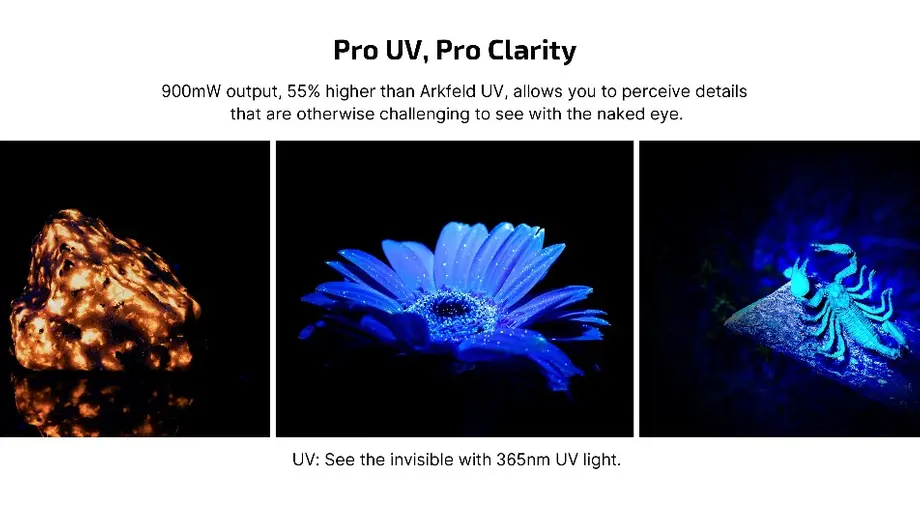
Many organic compounds, fungi, and bacterial secretions fluoresce under ultraviolet light. By shining a 365nm UV light over your plants in a darkened room, you can see issues that are invisible under bright white grow lights.Studies in Phytopathology by the American Phytopathological Society (APS) highlight that UV-induced fluorescence spectroscopy is an established non-destructive technique for detecting early fungal pathogen colonization. (Source: Phytopathology by the American Phytopathological Society).
Detecting Fungal Infections & Mildew Early
Fungal spores, powdery mildew, and leaf spot molds often glow with a distinct yellow, green, or blue hue under UV light. Finding these infections early allows you to isolate and treat the affected plant before the spores spread throughout your grow room.
Spotting Pests Like Spider Mites Under UV
Tiny pests, such as spider mites, aphids, and thrips, can be difficult to spot with the naked eye. Under a UV beam, many of these insects and their silk webs stand out clearly, making it easier to identify and treat infestations early.
How to Safely Use a UV Flashlight in Your Grow Room
Using a high-power UV light source requires care to protect both you and your plants.
- Limit Exposure Time: Use your UV flashlight for quick diagnostic sessions of 2 to 5 minutes per plant. Do not leave a high-output UV beam pointed at a single leaf for extended periods.
- Maintain Distance: Keep the flashlight 12 to 18 inches away from the foliage during inspections to avoid heat stress or localized light burn.
- Wear Protective Gear: Always wear UV-blocking safety glasses to protect your eyes from reflected UV rays. Avoid shining the light directly onto bare skin.
Key Features to Look For in a Diagnostic UV Flashlight
For growers seeking a reliable Plant Health Diagnostic Tool, selecting the right hardware specifications is critical for clear optical detection without damaging plant leaves.
- True 365nm Wavelength: Look for a dedicated 365nm UV LED emitter rather than a 395nm blacklight. Pure 365nm light generates far less visible purple spill, allowing organic fluorescence from molds and pests to stand out distinctly.
- High Radiant Flux Output: Strong UV optical power (typically 900mW to 1,200mW) enables detailed inspection even in ambient or partially dimmed room light.
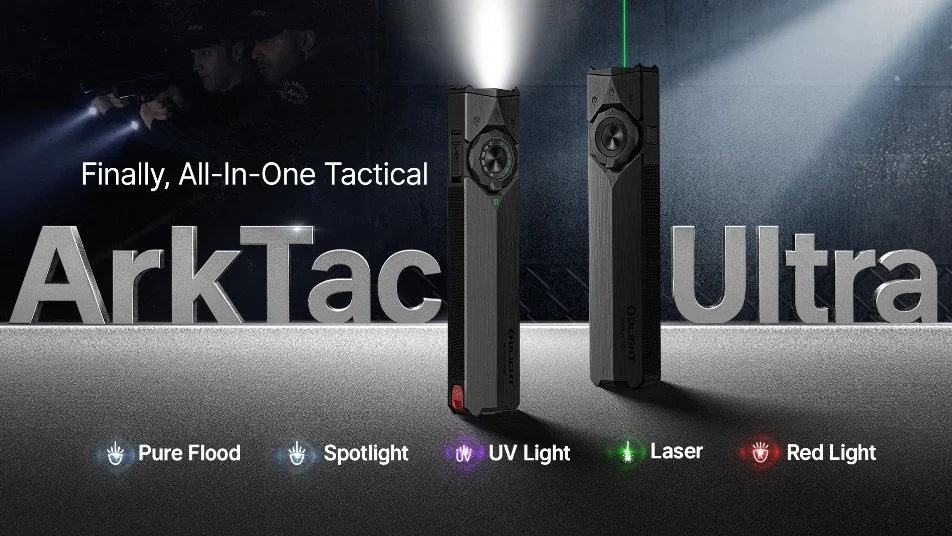
- Integrated Dual Light Sources: Tools combining high-output white LEDs with UV emitters simplify indoor garden maintenance, allowing quick transitions between standard inspection and fluorescence diagnostics.
- Durable and Water-Resistant Build: A compact design with IPX7 or higher water resistance ensures long-term reliability in humid grow rooms or greenhouse environments.
FAQ
Q: Can I use any cheap blacklight to inspect my plants?
Most cheap novelty blacklights emit a 395nm wavelength, which produces too much visible purple glare. A professional 365nm UV light is much more effective for highlighting organic fluorescence and detecting plant issues.
Q: Will UV light from a flashlight burn my houseplants?
A brief, 2-minute diagnostic scan with a handheld UV flashlight will not harm your plants. However, do not leave a high-powered UV beam focused on a single spot for a long time.
Q: How often should I scan my indoor garden with a UV light?
Scanning your garden once or twice a week is usually enough to catch pests, mold, and mildew before they spread.
Conclusion: A Small Tool with a Big Impact
Using uv light for plants is a highly effective way to keep your indoor garden healthy. By debunking common Indoor Gardening Lighting Myths and using a portable Inspection Light as a Plant Health Diagnostic Tool, you can detect issues early and help your plants grow stronger.
Whether you need to spot tiny pests, find early signs of mildew, or check your plants' general health, a high-quality 365nm UV flashlight is an invaluable addition to any indoor gardener's toolkit.